
Student Projects
Courses
463 projects

Exploring Global Youth Art Through AI: A Semantic Analysis of the IMAJ Collection
Supervisors: Julien Fageot, Daniel Sage

Vector-Valued Inverse Problems: B-Spline Discretization and Identification of Matrix Differential Operators for Regularization
Supervisors: Vincent Guillemet, Bassam El Rawas
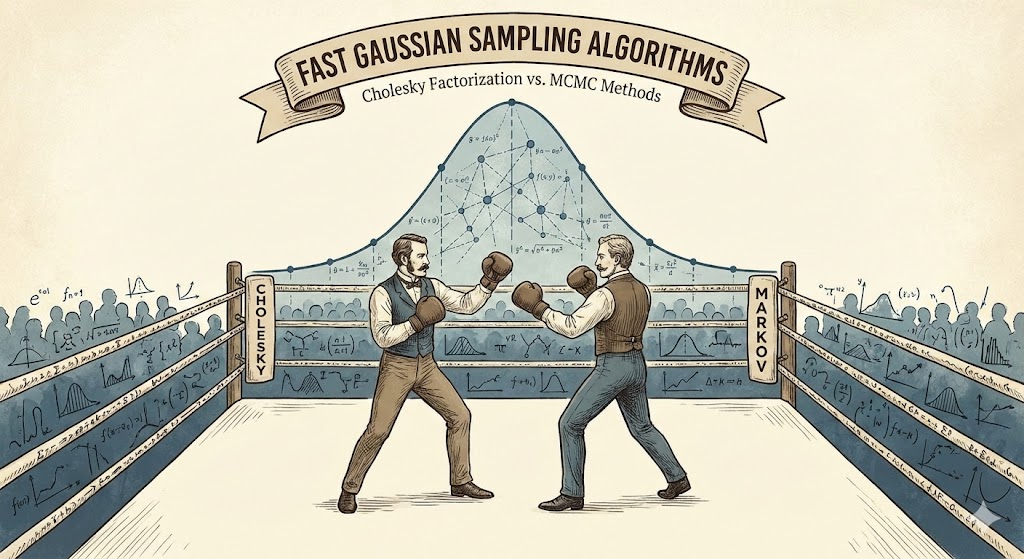
High-Dimensional Gaussian Sampling: Cholesky versus Markov
Supervisors: Martin Zach
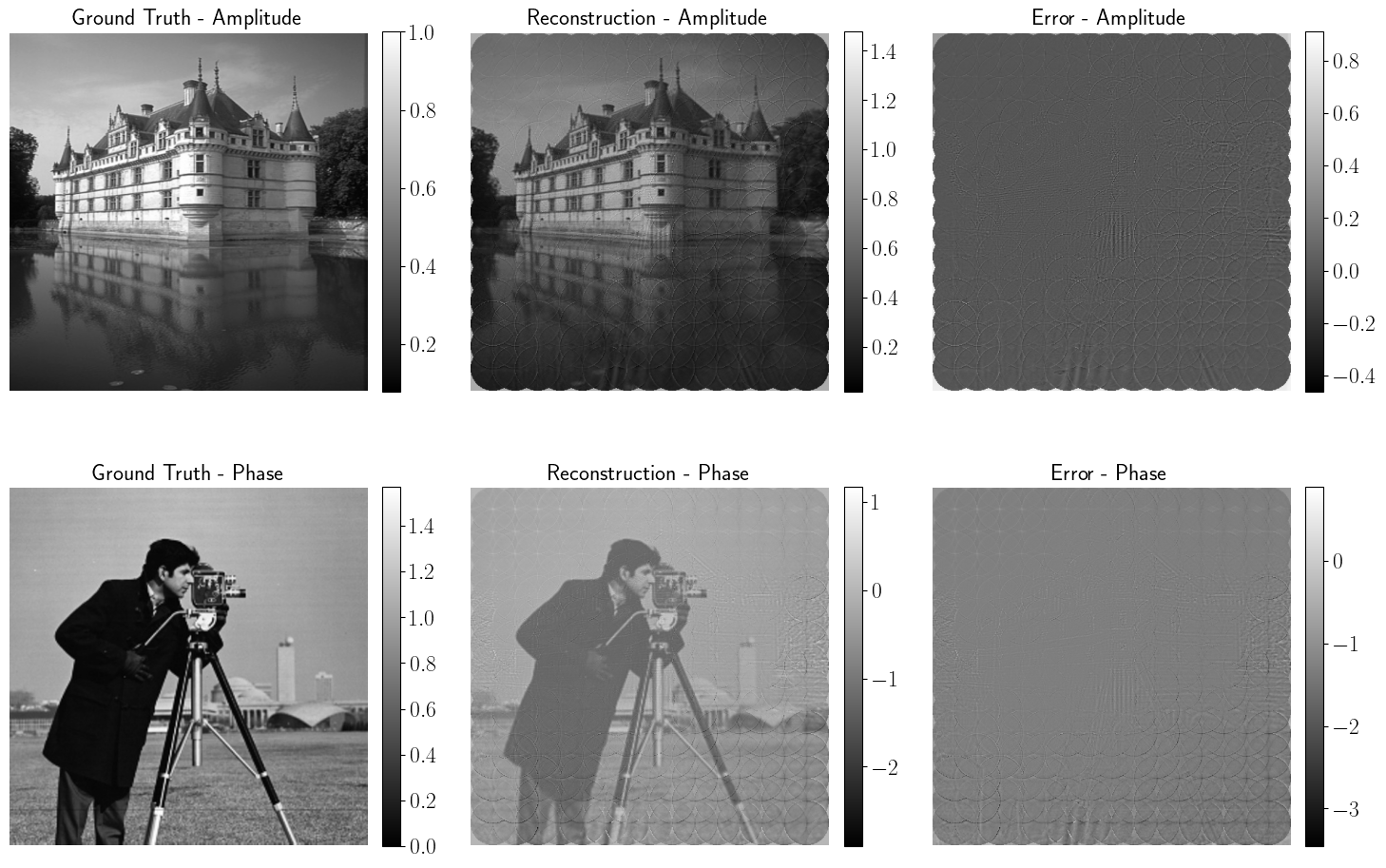
Improving Optimization Algorithms for Ptychography Phase Retrieval
Supervisors: Zhiyuan Hu, Stanislas Ducotterd, Jonathan Dong

Sampling from Learned Regularizers
Supervisors: Stanislas Ducotterd, Youssef Haouchat
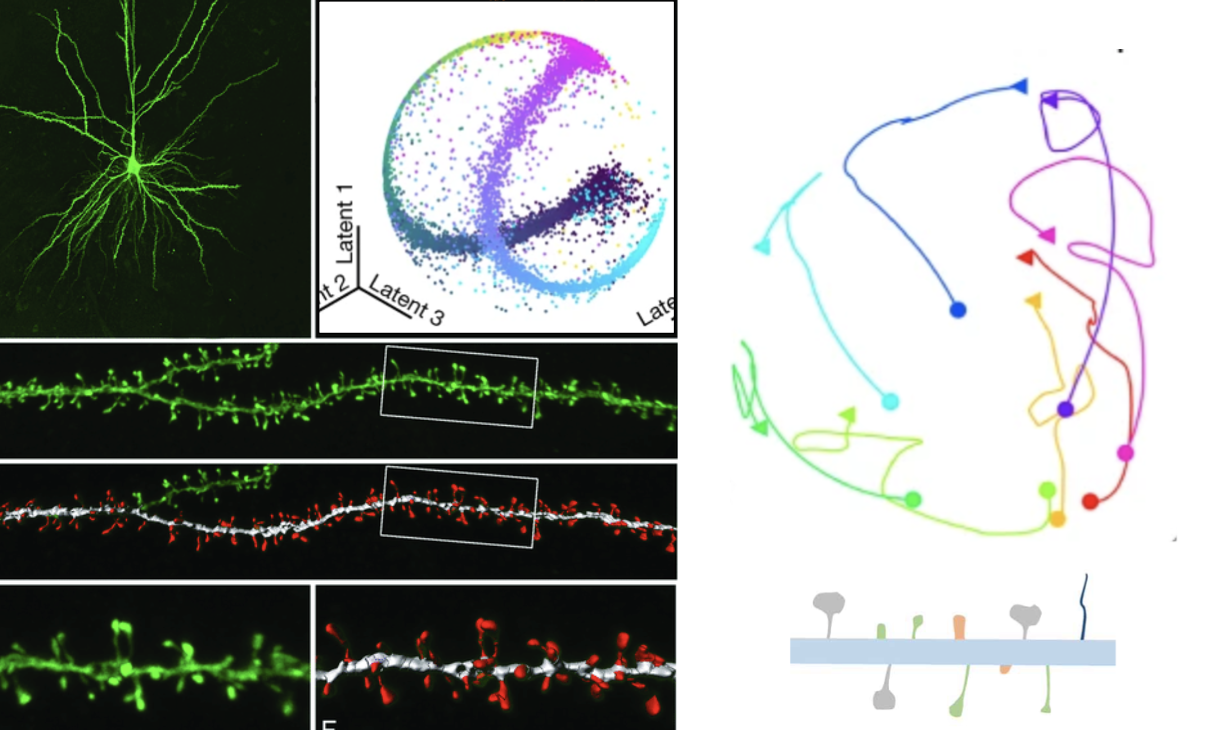
Analysis of dendritic spine changes using deep-learning encoding in a latent space
Supervisors: Aleix Boquet I Pujadas, Daniel Sage
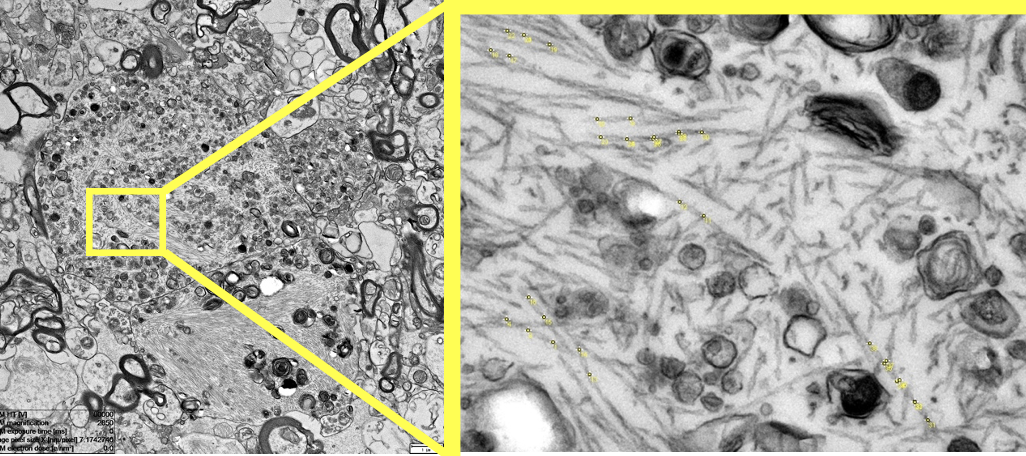
Automated image analysis of tau fibrils in the human Alzheimer's disease brain
Supervisors: Daniel Sage, Daniel Stähli
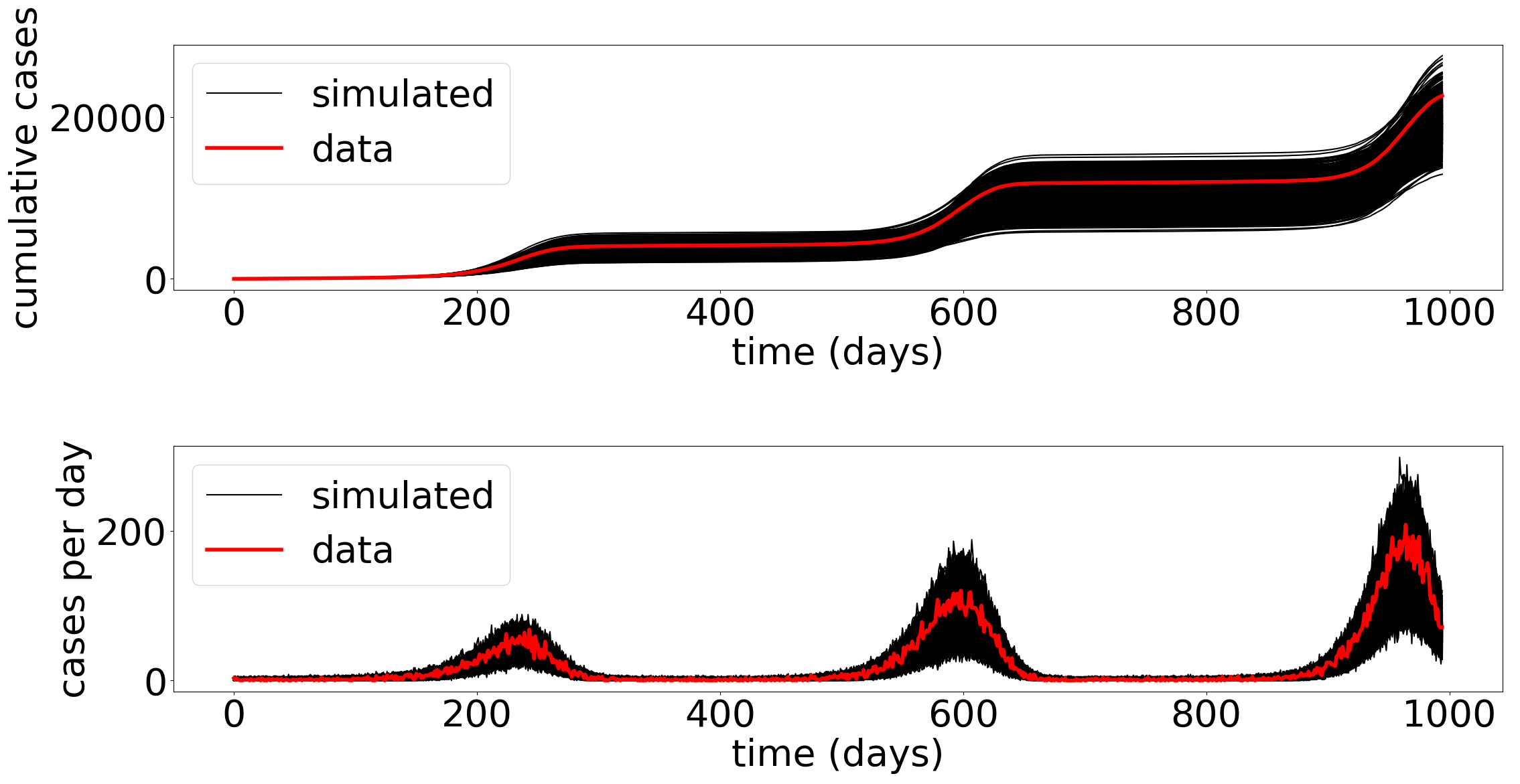
Likelihoods for Hawkes Processes
Rachid Kahia
Supervisors: Vincent Guillemet, Bassam El Rawas
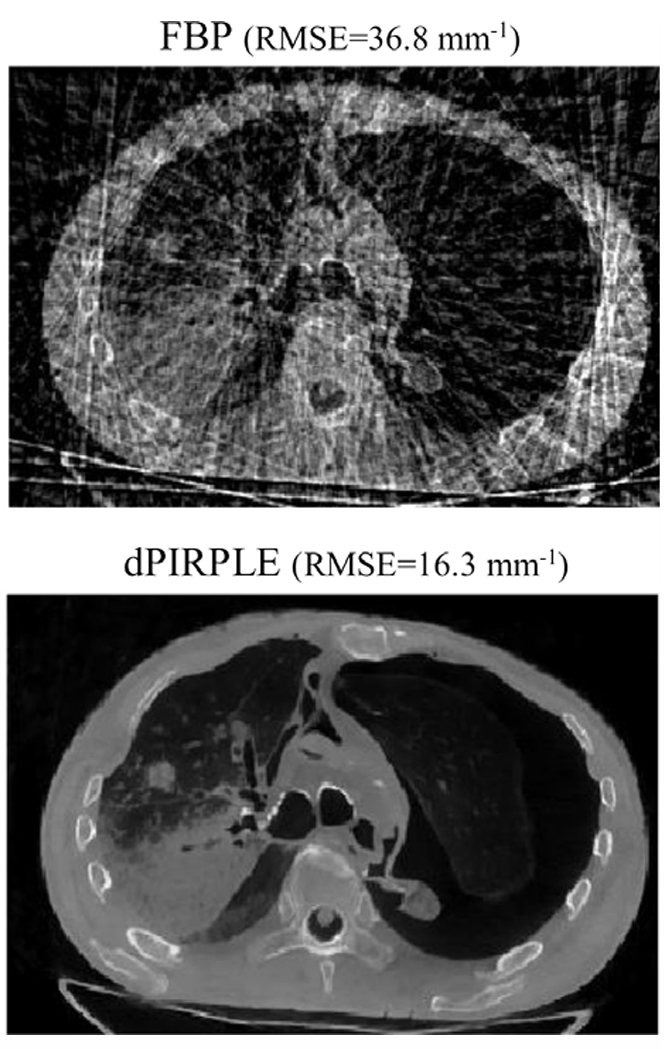
Tensor-Product-Based Regularization for Inverse Problems in Tomography
Supervisors: Vincent Guillemet, Youssef Haouchat
Discretization of Non-Uniform Sampling Problems with Exponential Splines
Aman Rishal Chemmala
Supervisors: Vincent Guillemet, Bassam El Rawas
Subject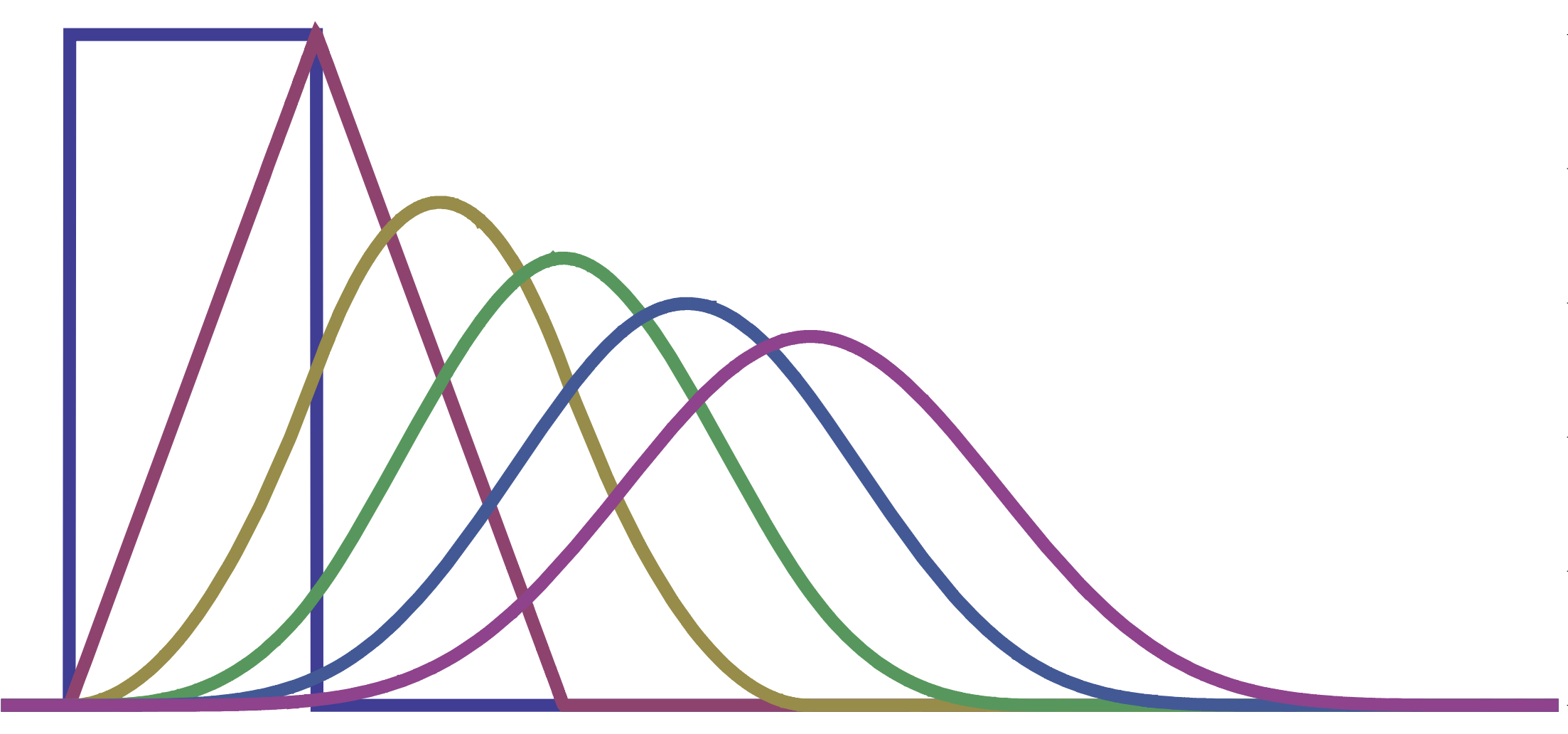
Inverse Problems with ℓ1 Regularization: Extreme Points of the Regularization Polytope and Analysis vs Synthesis Formulations
Niels Rigaud
Supervisors: Bassam El Rawas, Martin Zach
Subject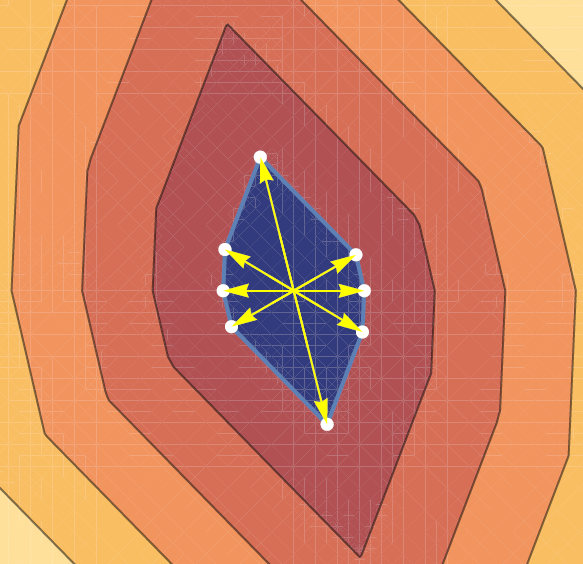
Diffusion Models for Magnetic Resonance Imaging Reconstruction
Angel Zenteno
Supervisors: Thomas Yu, Gian Franco Piredda, Mehrsa Pourya
Subject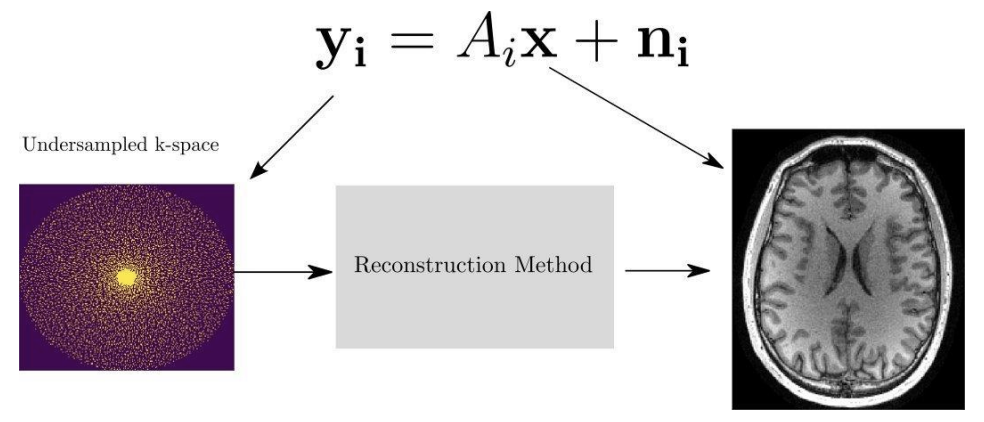
Sparse Unrolled Auto-Encoders for Interpretable Analysis of Neural Data
Valérie Costa
Supervisors: Bahareh Tolooshams, Sara Matias, Stanislas Ducotterd
Subject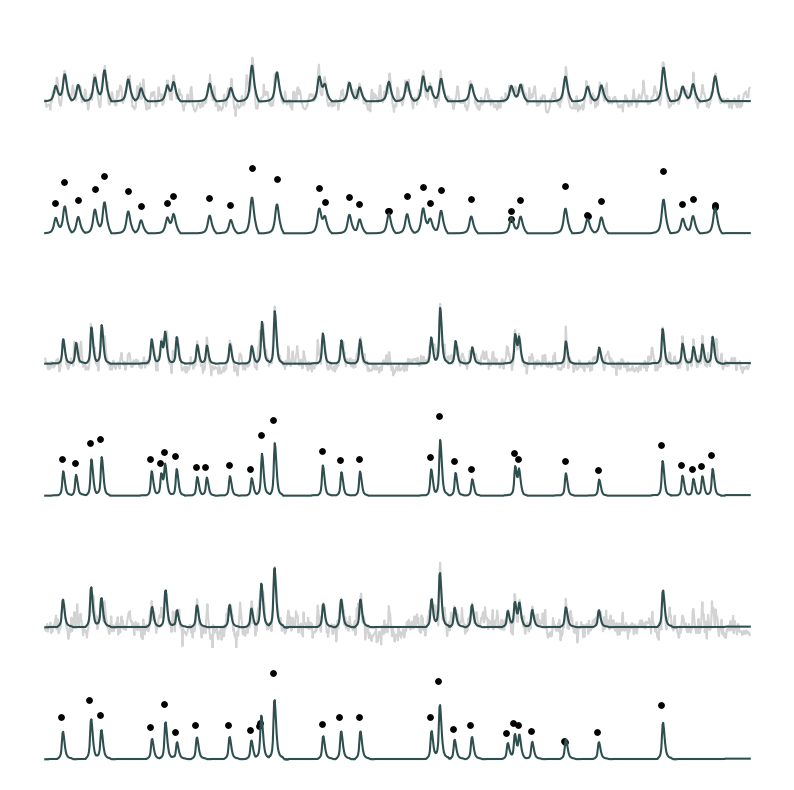
Prediction and survival analysis of ovarian cancer through multimodal fusion of radiomic and multiomic data.
Supervisors: Stéphanie Nougaret, Charles Berger, Jonathan Dong
Subject
Penalized Maximum Likelihood Approach for Deconvolution of Microscopy with Learned Convex Regularizer
Estelle Baup
Supervisors: Stanislas Ducotterd, Mehrsa Pourya
Subject
From PDE to Cell Imaging: A Multiresolution Framework for Fourier Ptychography
Efe Tarhan
Supervisors: Jonathan Dong, Vincent Guillemet
Subject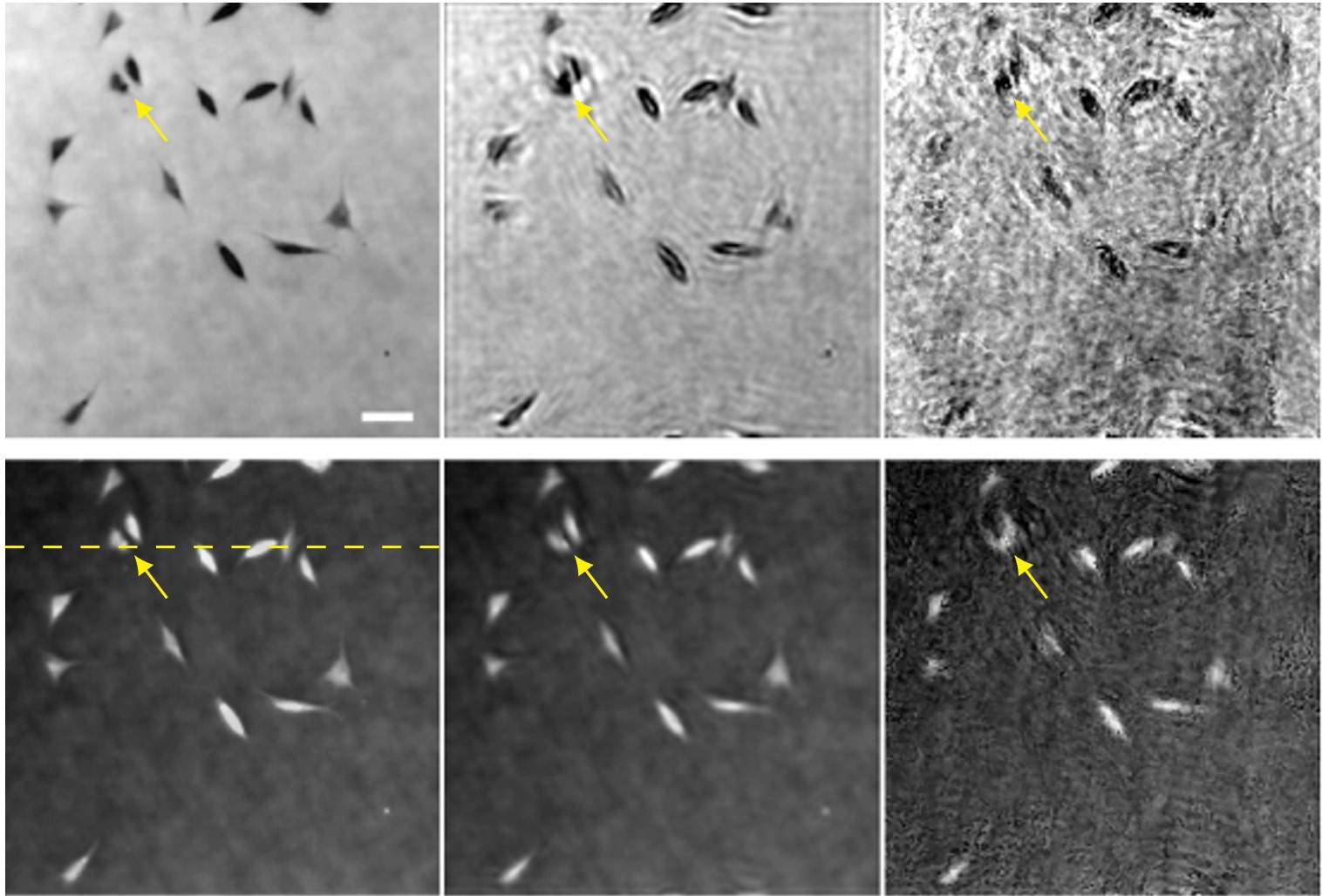
Generating of Point-Spread Function for Advanced Imaging Microscopy in Python
Supervisors: Jonathan Dong, Vasiliki Stergiopoulou , Yan Liu and Daniel Sage
Subject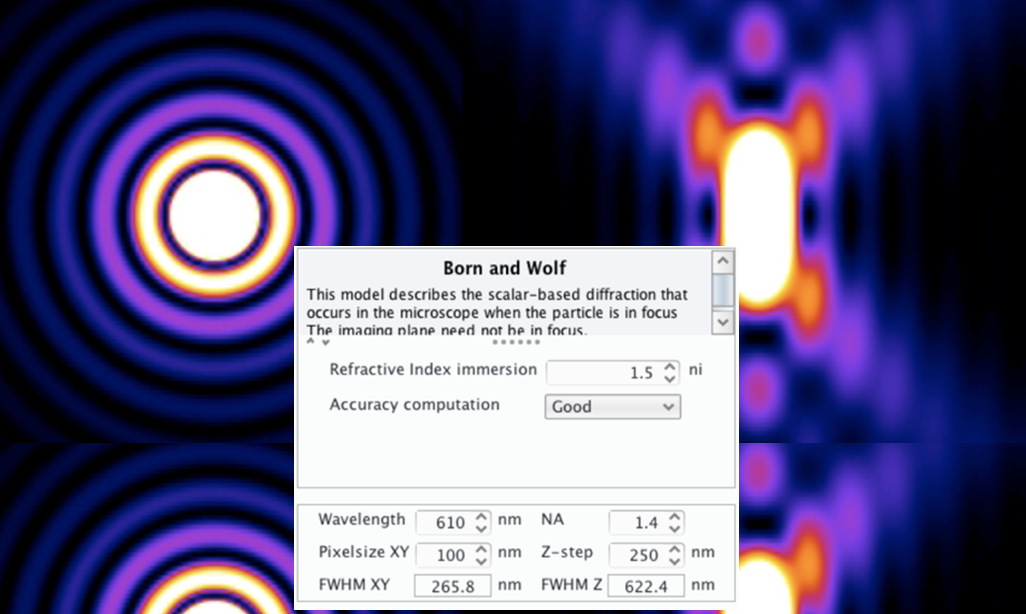
Light fluence modeling in photoacoustic imaging
Alexis-Darren Salathé
Supervisors: Jonathan Dong, Yan Liu
Subject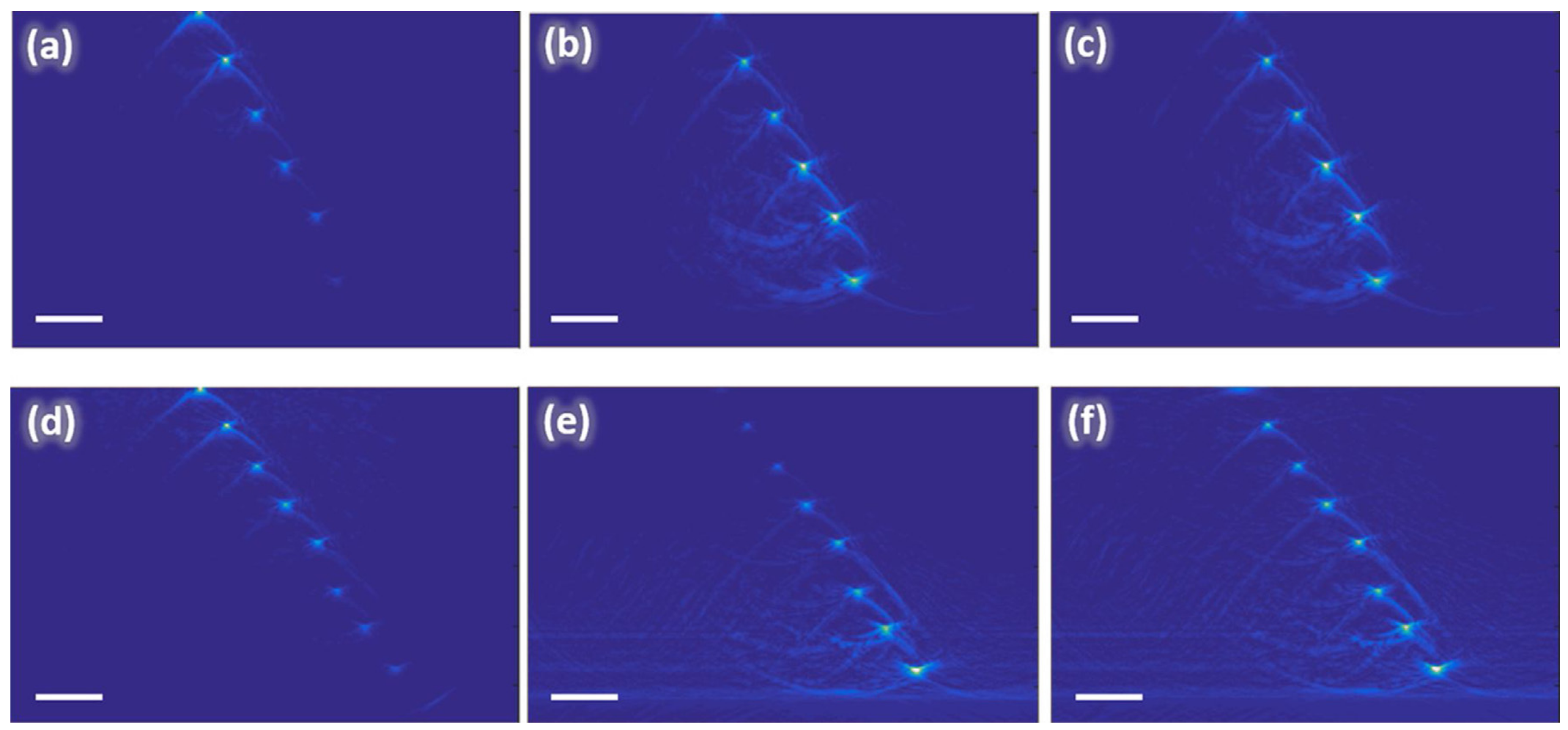
Image Processing Methods for Extracting Insights of IMAJ / UNESCO Drawing Database
Supervisors: Julien Fageot, Daniel Sage
Subject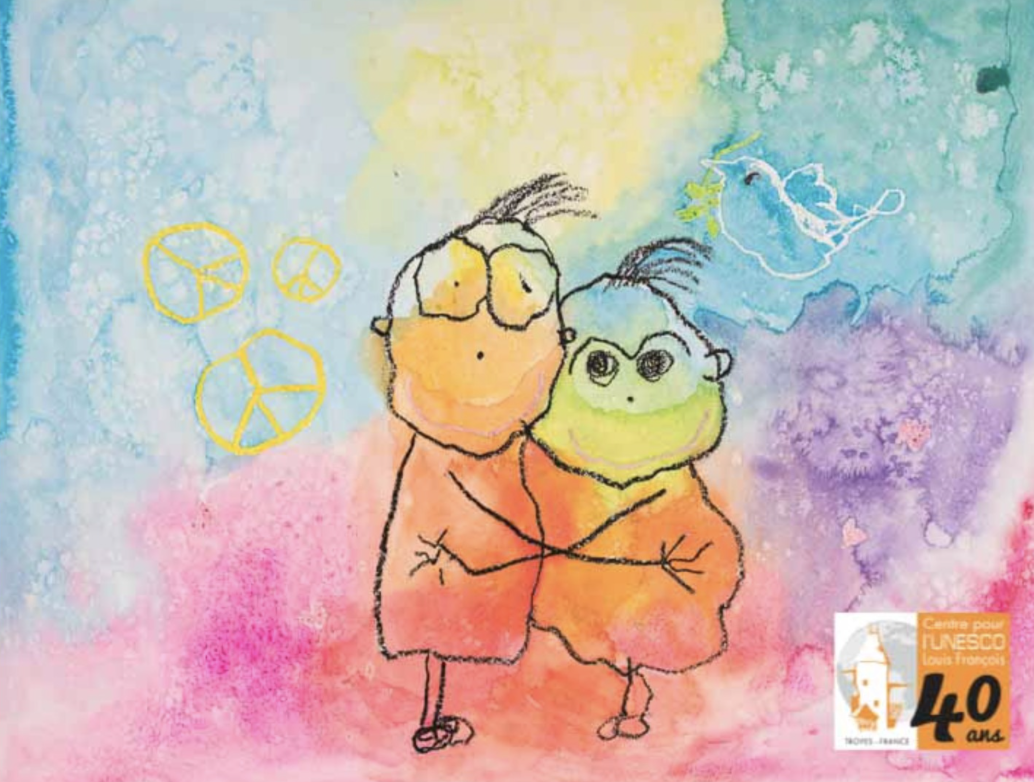
Multigrid Solver For Non-Uniform Sampling With TV Regularization
Louis Grosse
Supervisors: Mehrsa Pourya, Vincent Guillemet
Subject
Stylized approximations of curves and of 1-dimensional manifolds using splines
Bassam El Rawas
Supervisors: Vincent Guillemet
Subject
Characterization of myelin structure using image analysis techniques
Raphaëlle Hartwig
Supervisors: Daniel Sage, Marta Di Fabrizio
Subject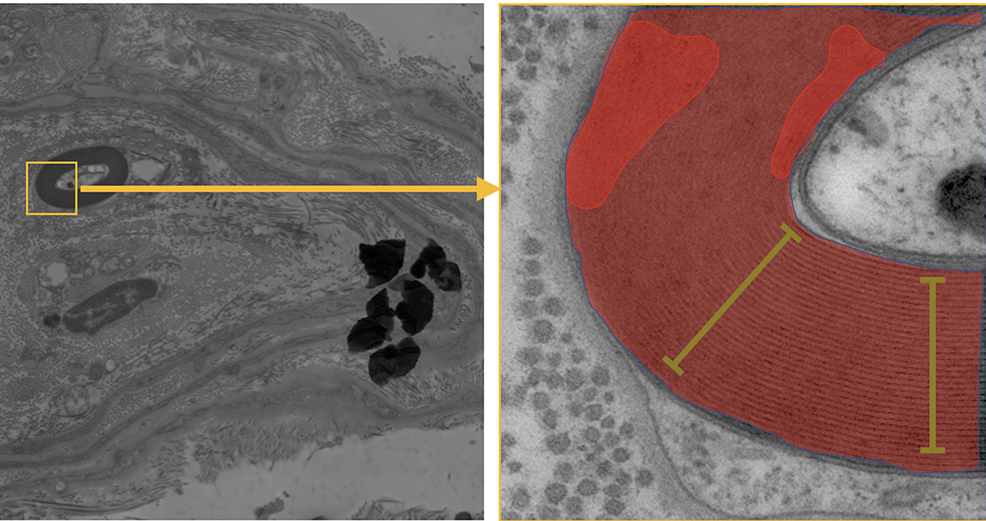
Photobleaching Correction using Self-Supervised Deep-Learning Methods in Fluorescence Microscopy
Louis Litzler-Italia
Supervisors: Stanislas Ducotterd, Daniel Sage
Subject
Geometry of Images: A War Between Fastness and Expressiveness
Supervisors: Vincent Guillemet, Mehrsa Pourya
Subject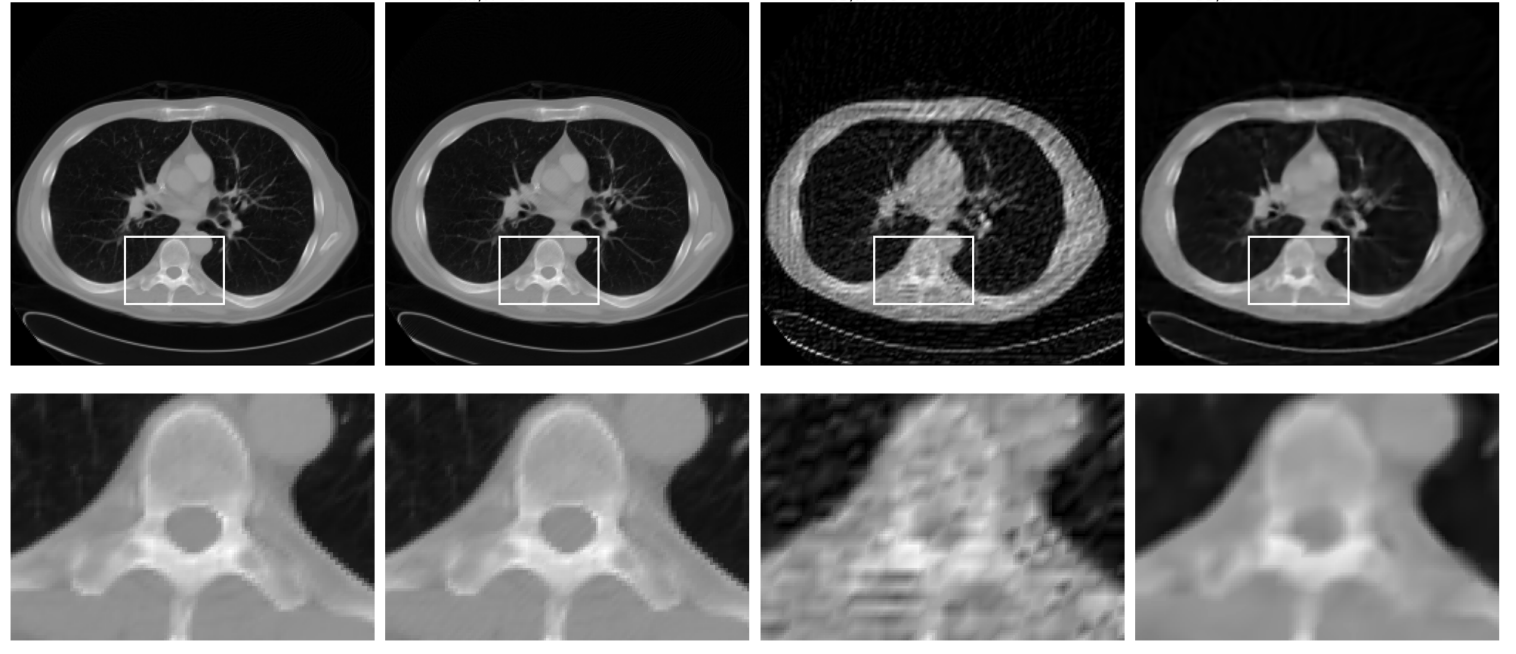
Implicit Neural Representations for Denoising
Melchior Carrier
Supervisors: Stanislas Ducotterd, Rahul Parhi
Subject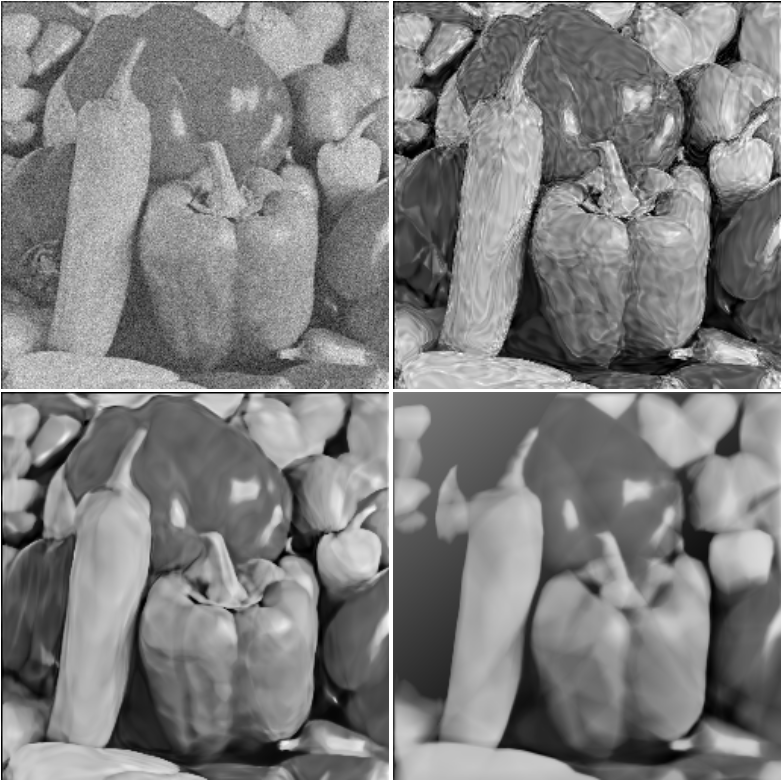
Novel reconstruction in photoacoustic imaging
Jonathan Chuah Wen Jie
Supervisors: Yan Liu, Jonathan Dong
Subject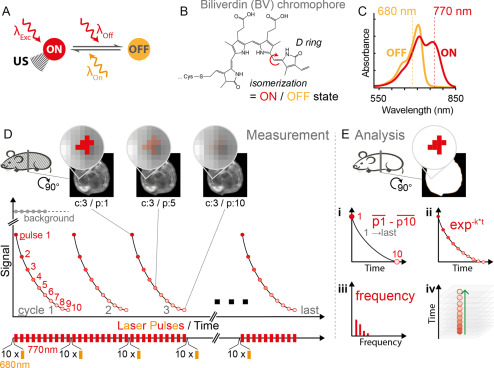
Anomaly detection in 4D flow MRI
Lavinia Schlyter
Supervisors: Jeremy Tan, Ender Konukoglu, Aleix Boquet-Pujadas
Subject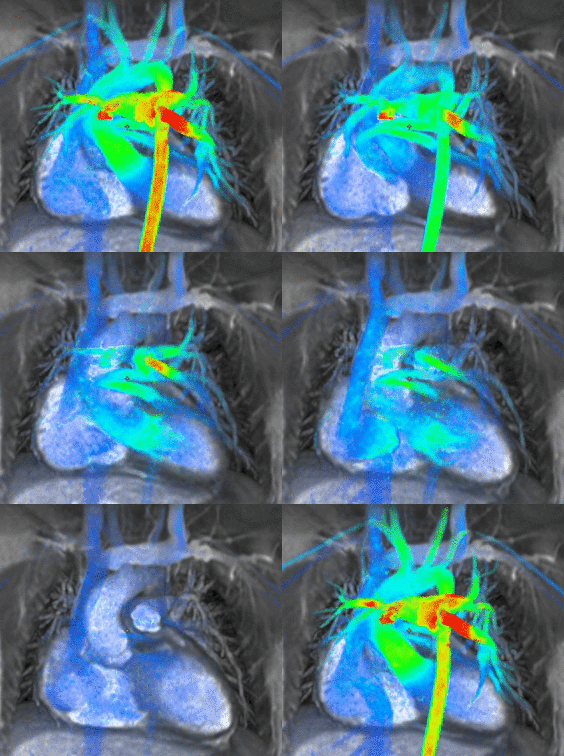
Investigating Orthogonal Convolutions for Denoising
Valérie Costa
Supervisors: Stanislas Ducotterd, Sebastian Neumayer, Alexis Goujon
Subject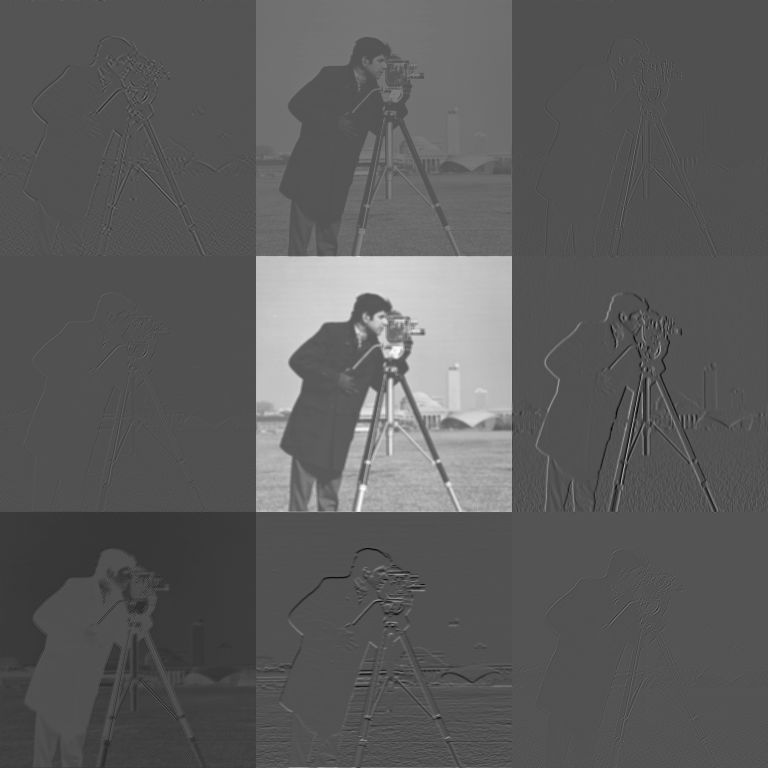
Learning of Continuous and Piecewise-linear Functions by the Multigrid Algorithm
Kamyar Rajabalifardi (Online Collaboration)
Supervisors: Mehrsa Pourya, Michael Unser
Subject
Approximation Theory with Exponential Splines
Bassam El Rawas
Supervisors: Rahul Parhi
Subject
Machine Learning for Bone Marrow Histopathology
Zhu Zhihan
Supervisors: Daniel Sage, Rita Sarkis
Subject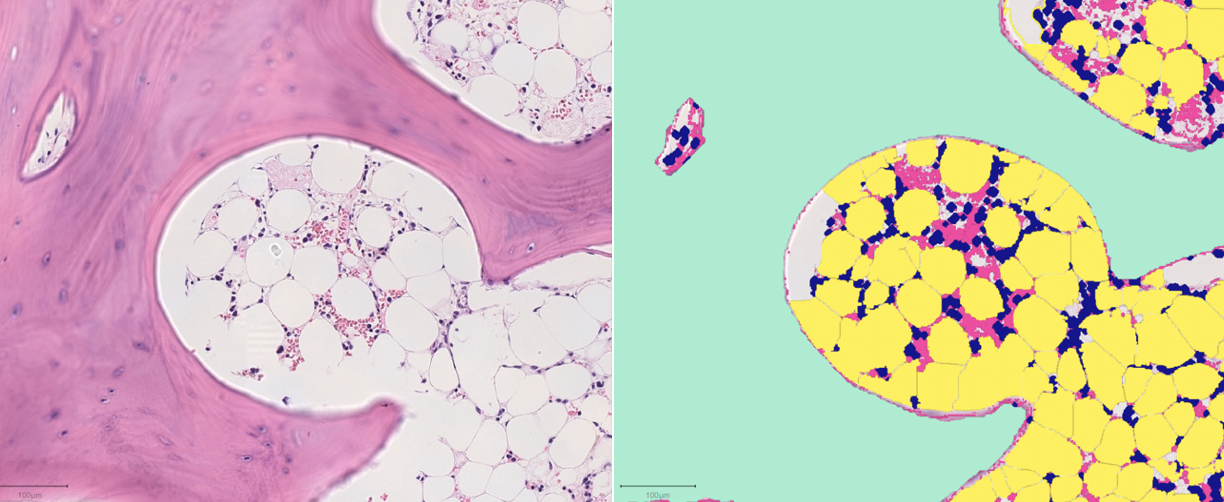
Advanced machine learning for probability density estimation
Supervisors: Aleix Boquet-Pujadas, , Michael Unser
Subject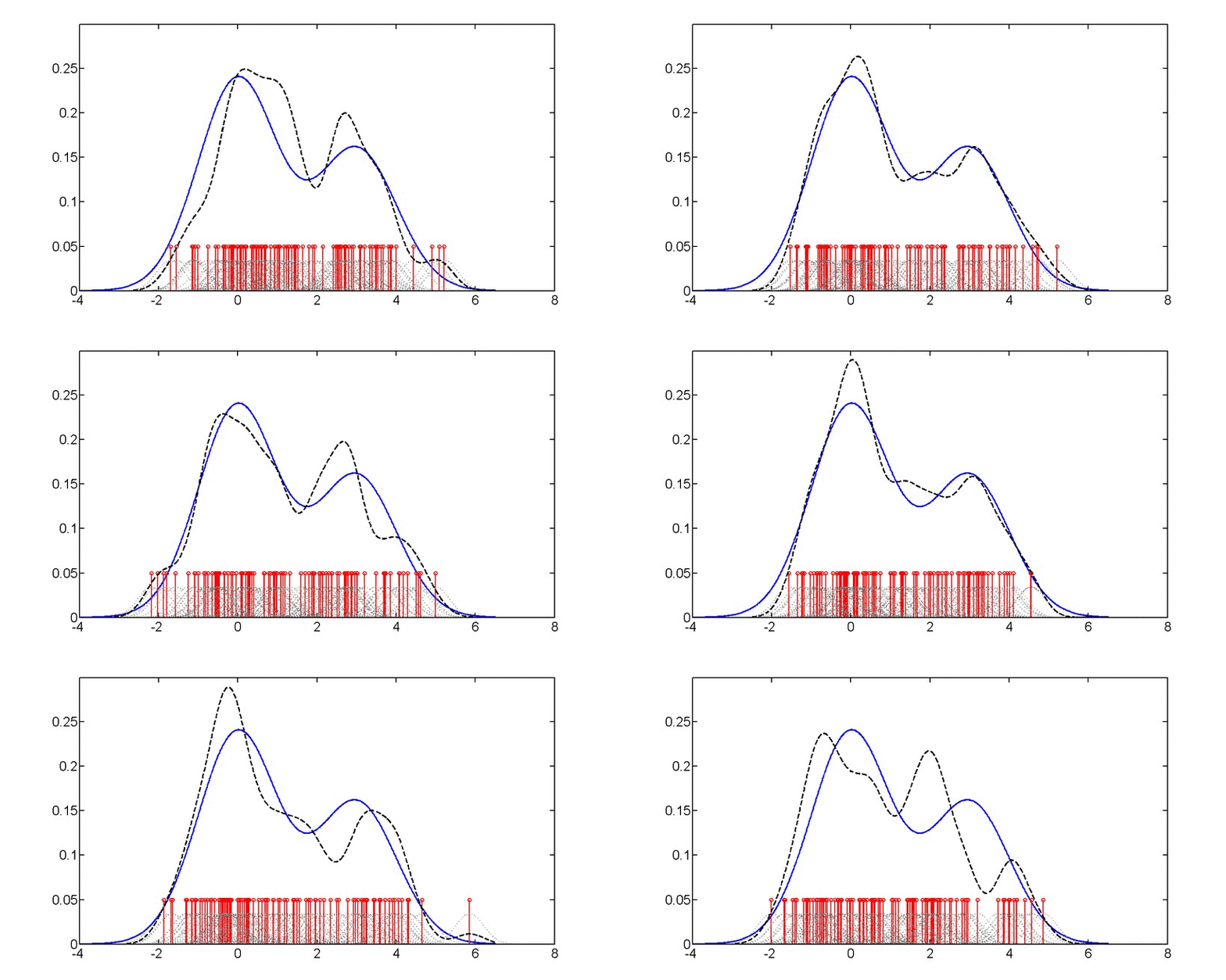
Glacial Motion
Lucas Mutschler
Supervisors: Alexis Goujon, Daniel Sage
Subject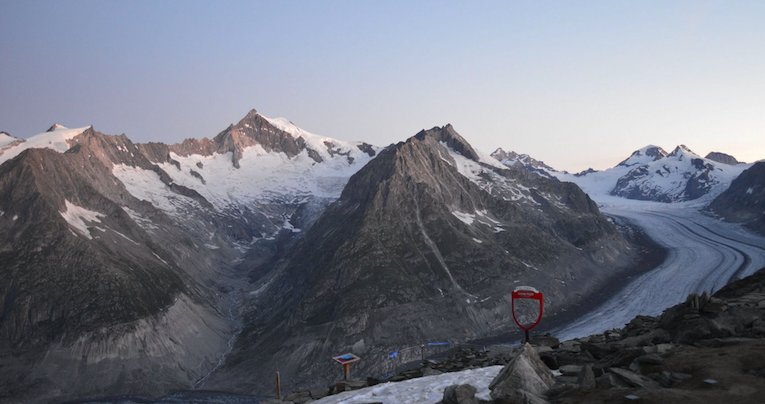
Fast Structured Illumination Microscopy by Reducing the Number of Images Required
Alejandro Nogueron Aramburu
Supervisors: Daniel Sage, Emmanuel Soubies, Michael Unser
Subject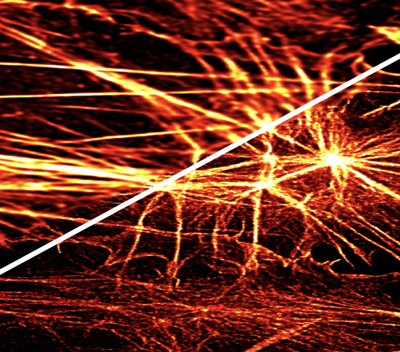
Automatic bone segmentation with active parametric contour in CT images
Charles Berger
Supervisors: Daniel Sage, Pablo Garcia-Amorena
Subject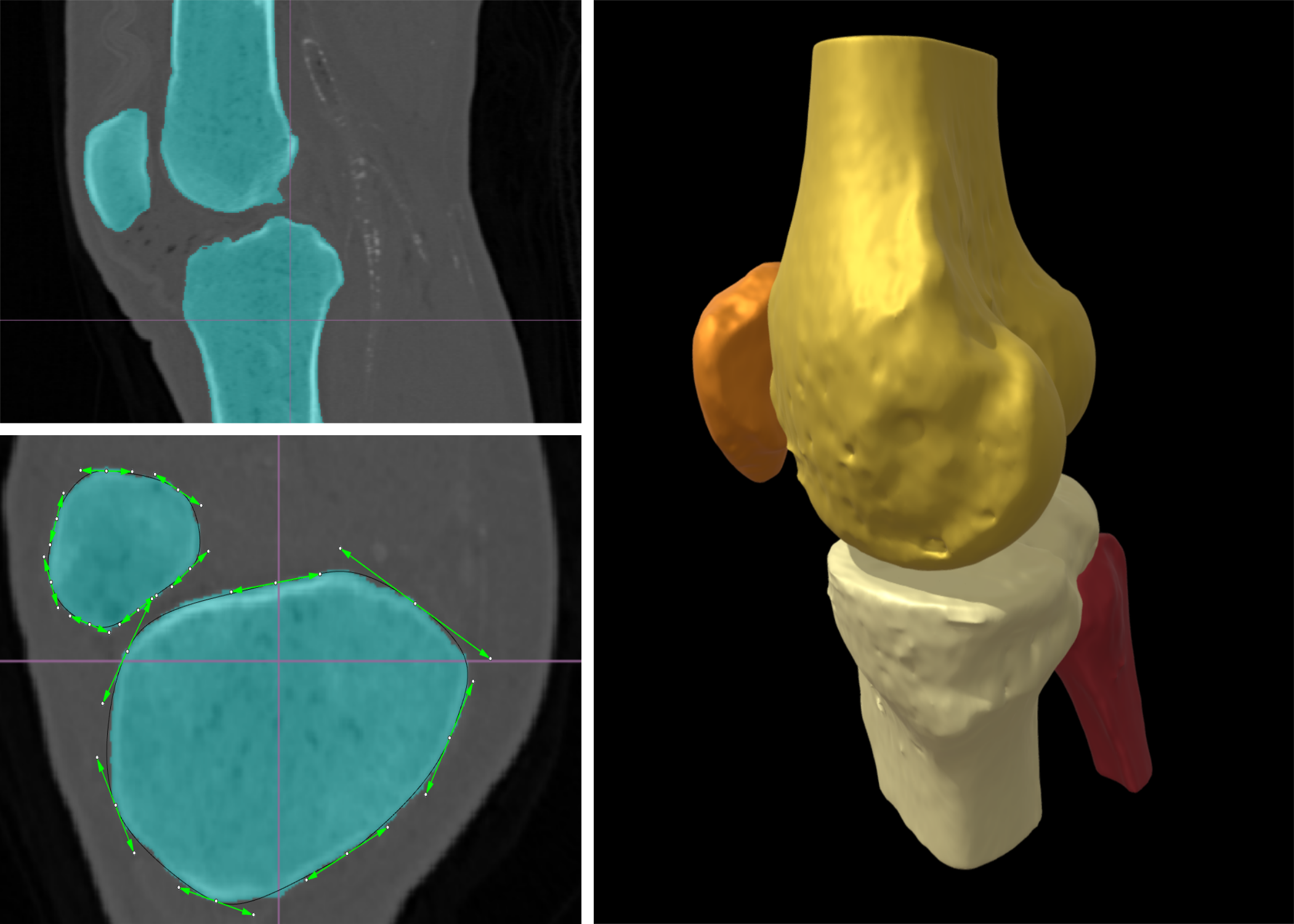
Posterior integrals with MCMC for Bayesian tests
Maxime Perret
Supervisors: Aleix Boquet-Pujadas, Pakshal Bohra, Michael Unser
Subject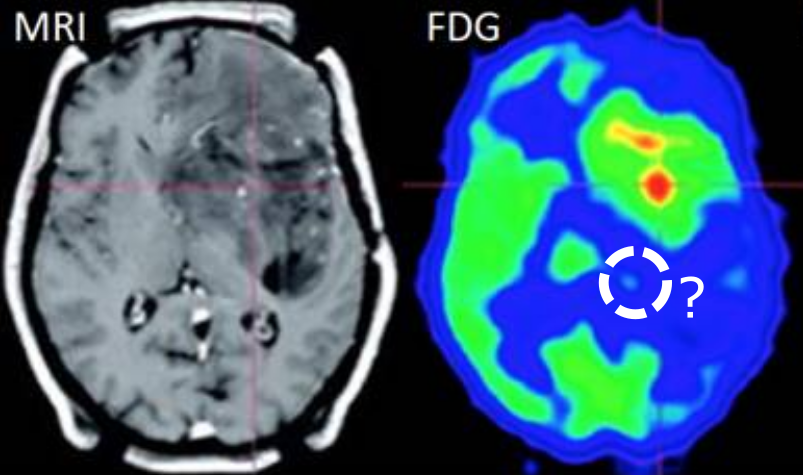
Asymptotic stability analysis of Echo-State Networks
Erik Bengt Börve
Supervisors: Jonathan Dong, Michael Unser
Subject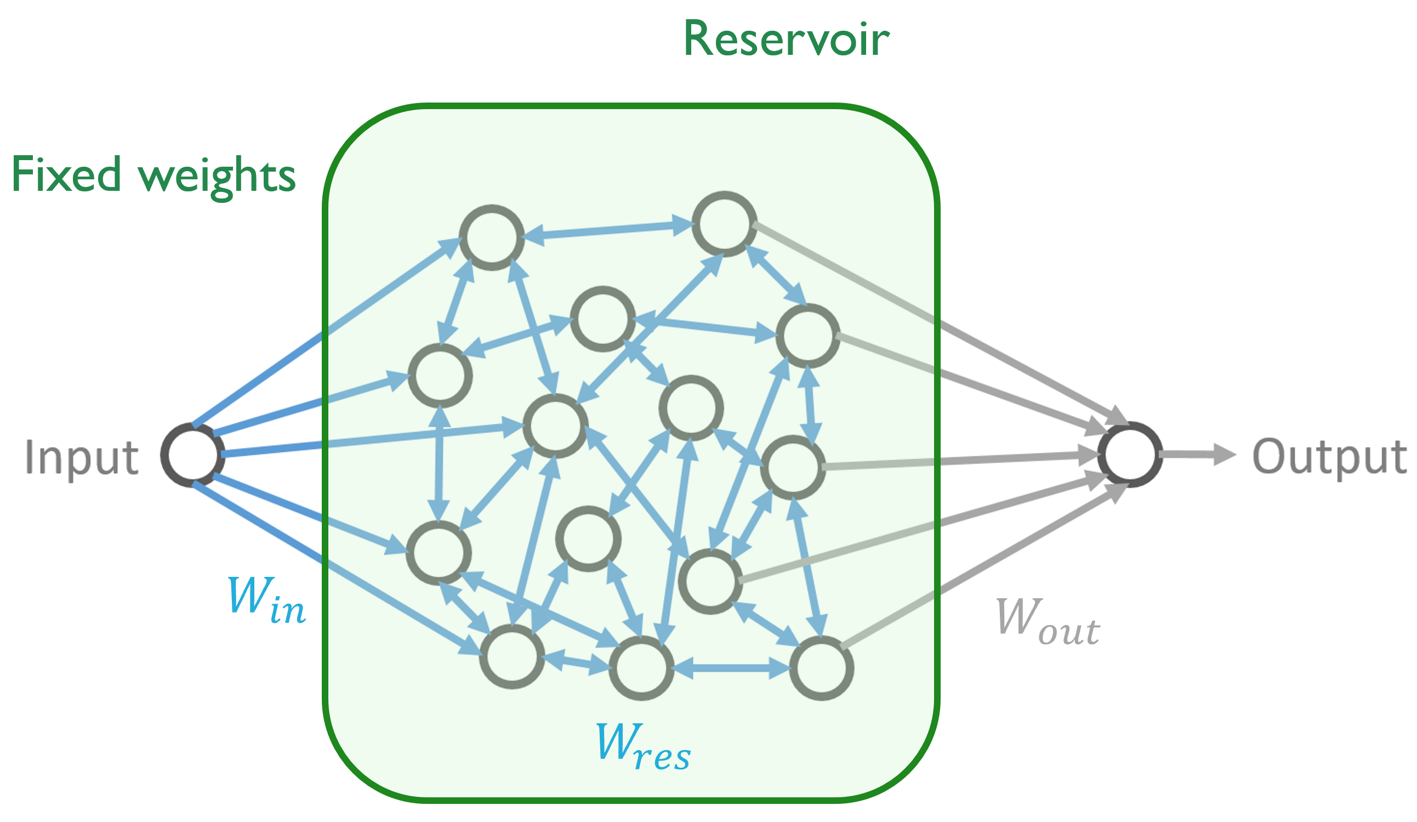
Spline-based sub-pixel localization of microbubbles for ultrafast ultrasound imaging of the brain vasculature
Malo Simondin
Supervisors: Thomas Debarre, Michael Unser, Dimitris Perdios
Subject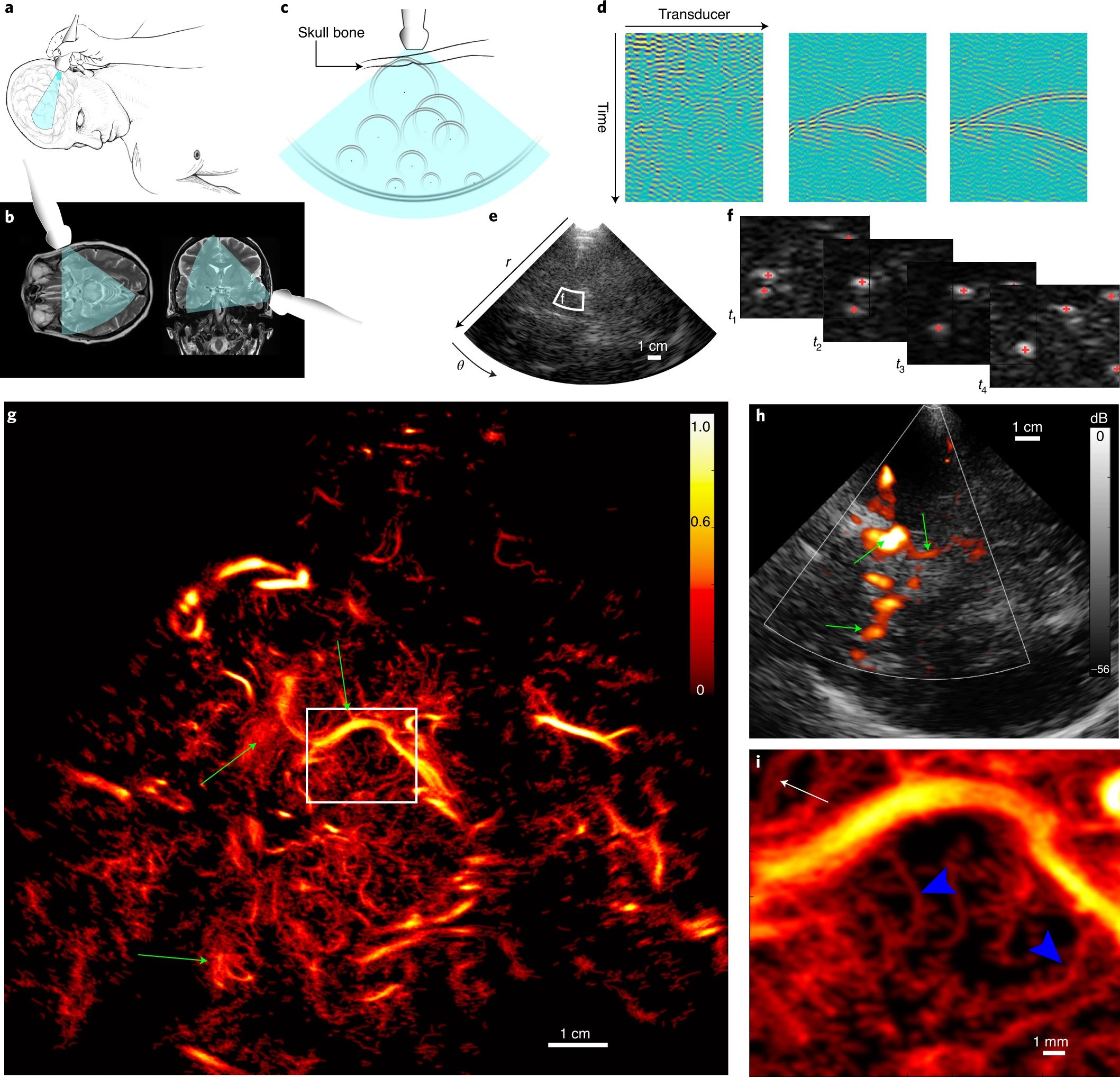
Learning sparse continuous and piecewise-linear functions for 3-dimensional data
Konstantin Sopov
Supervisors: Mehrsa Pourya, Michael Unser
Subject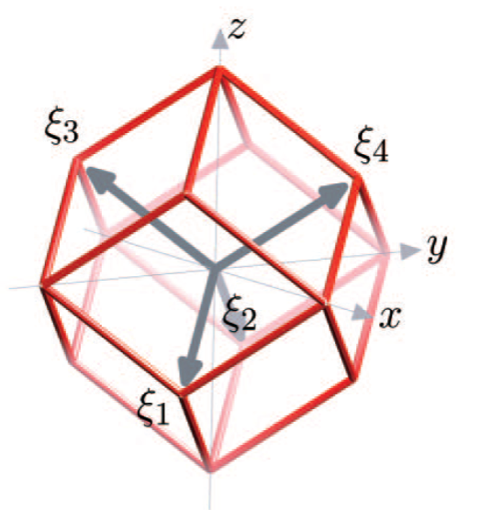
Signal analysis of tree rings patterns in dendrochronological and forest ecosystem studies based on high resolution X-ray computed tomography (micro-CT) images
Charlotte Sertic
Supervisors: Philippe Thévenaz, Michael Unser
Subject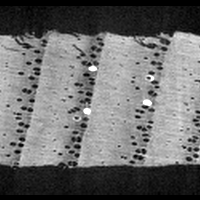
Perturbative Phase Retrieval
Kuan-Chen Shen
Supervisors: Jonathan Dong, Michael Unser
Subject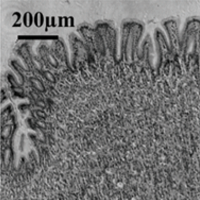
Image-based quantification of cell blebbing
Eugénie Demeure
Supervisors: Daniel Sage, Michael Unser
Subject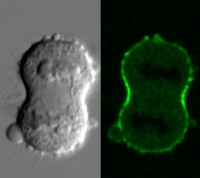
Proximal Operators for Nonnegative Inverse Problems
Alejandro Noguerón Aramburu
Supervisors: Pol del Aguila Pla, Michael Unser
Subject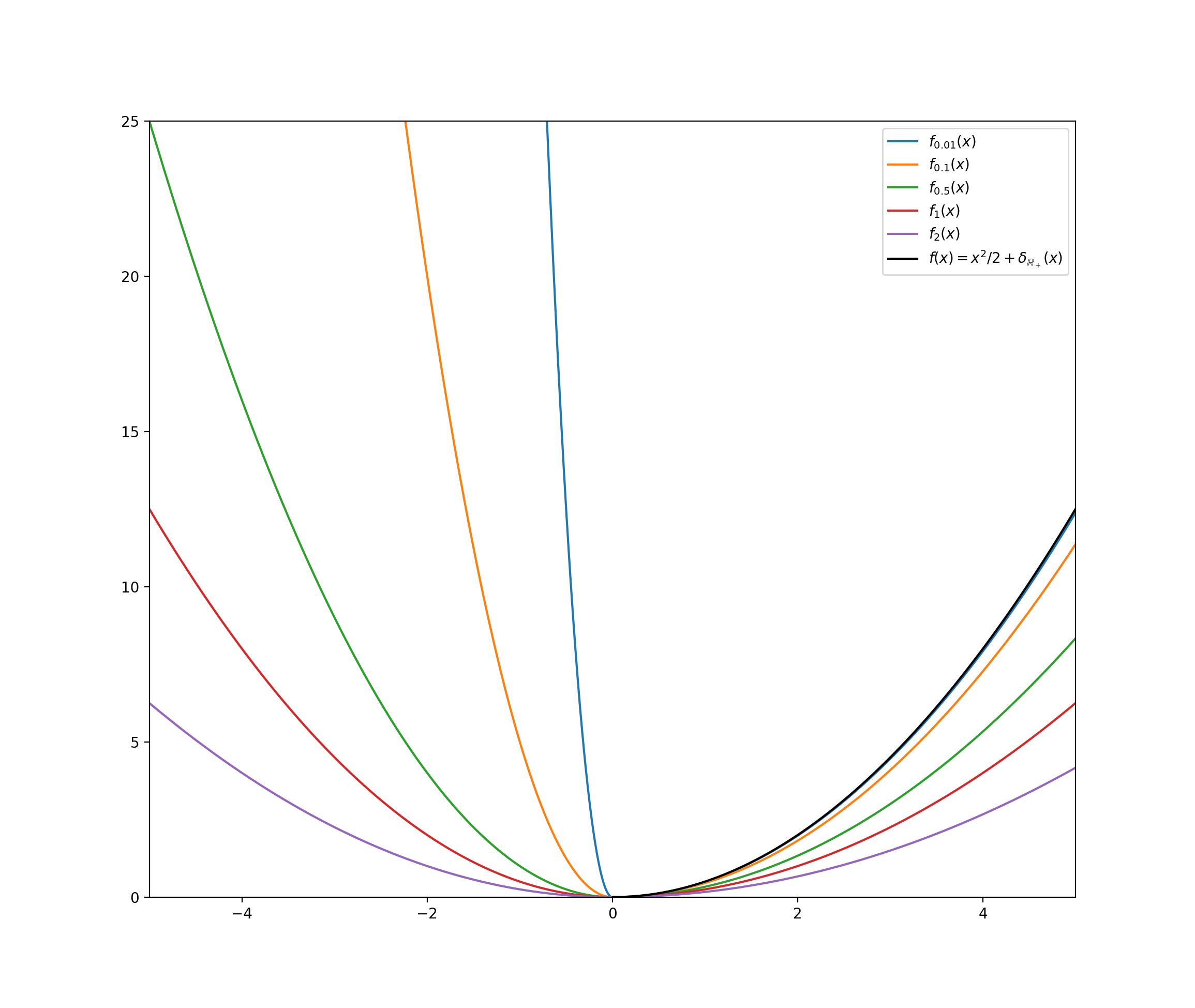
Deep learning for 3D particle field imaging
Margain Paul René Bertrand
Supervisors: Thanh-An Pham, Michael Unser
Subject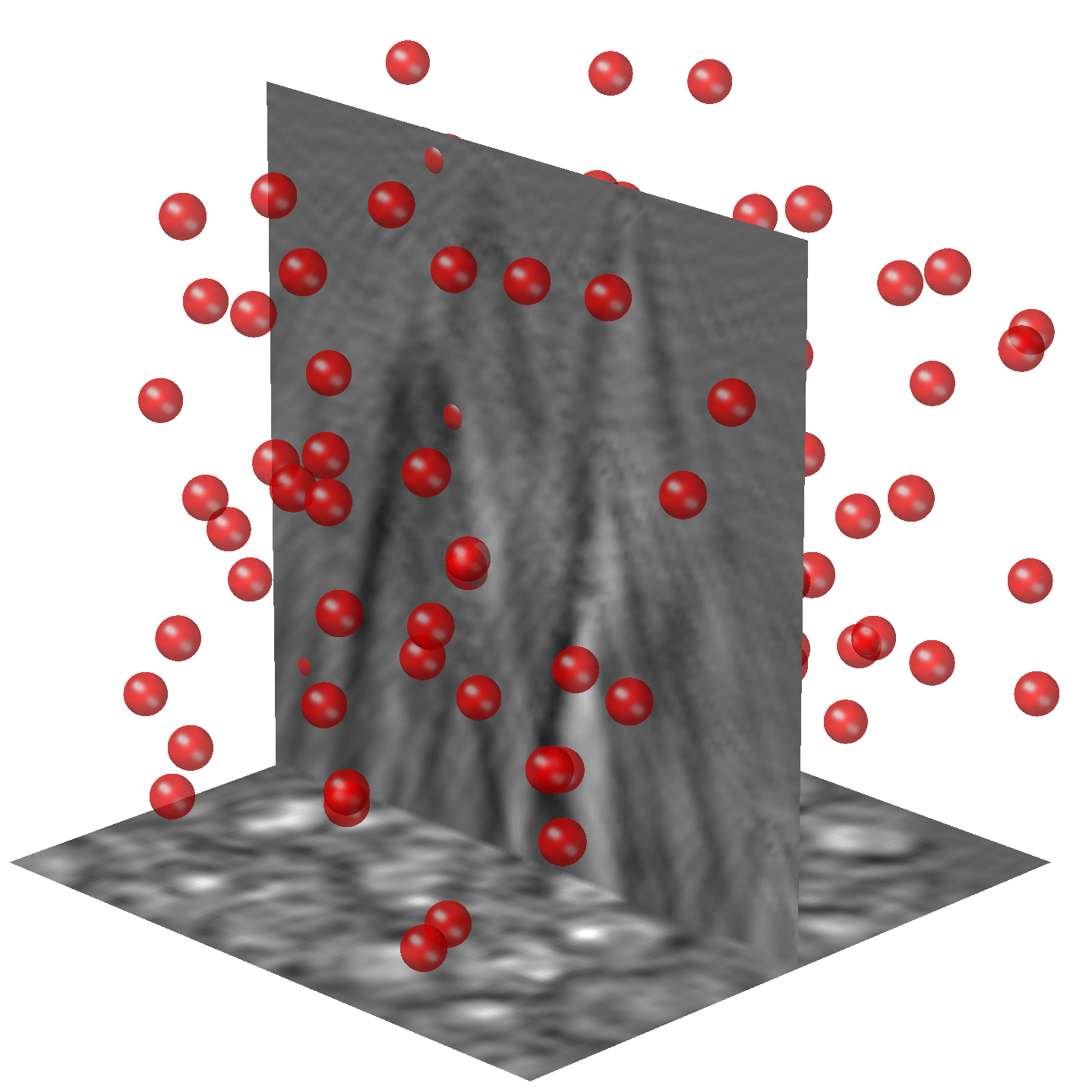
Using regularization to reduce the number of projection angles in optical projection tomography
Aiday Marlen
Supervisors: Yan Liu, Michael Unser, Thanh-An Pham, thanh-an.pham@epfl.ch
Subject
Effect of Simple Operations on the Linear Regions of Continuous Piecewise Linear Functions
Haojun Zhu
Supervisors: Alexis Goujon, Michael Unser, Shayan Aziznejad
Subject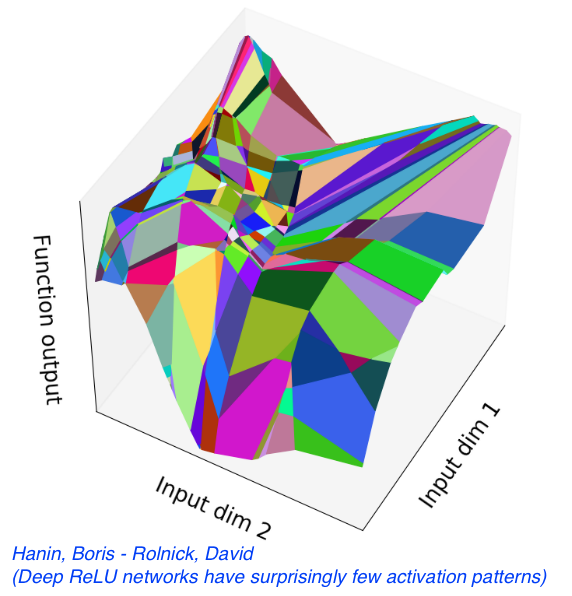
Lightweight Deep Models for Dynamic MRI
Mielonen Eelis Valtteri
Supervisors: Jaejun Yoo, Michael Unser
Subject
Continuous-domain multicomponent image reconstruction with mixed regularization
Benoit Knuchel
Supervisors: Thomas Debarre, Michael Unser, Shayan Aziznejad
Subject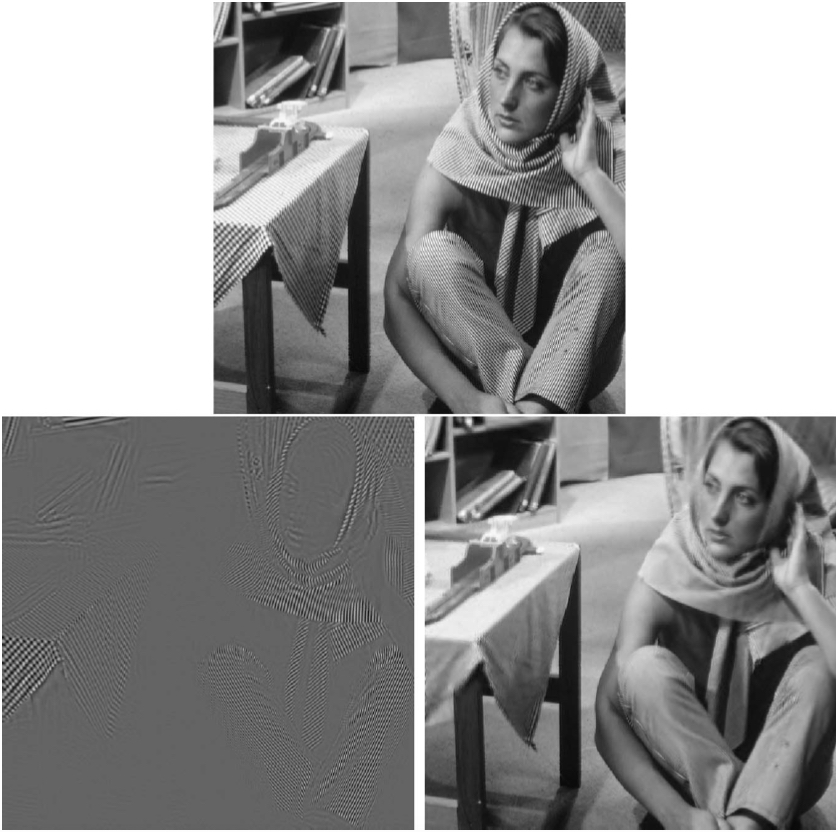
Deep neural network for SIM super-resolution reconstruction with a reduced number of images
Kay Lächer
Supervisors: Daniel Sage, Michael Unser, Emmanuel Soubies
SubjectDifferentiable Approximation of Hessian-Schatten Regularization for Image Reconstruction
Mickael Gindroz
Supervisors: Thanh-An Pham, Michael Unser, Shayan Aziznejad
Subject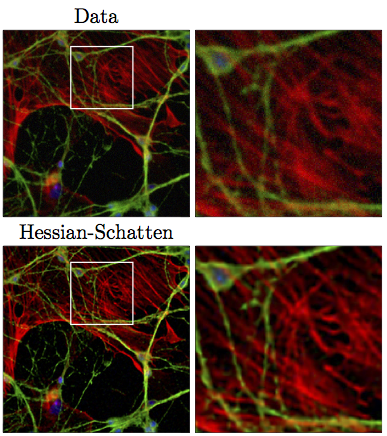
High-resolution reconstruction in single-particle cryo-EM with a multiscale joint refinement scheme
Paul Margain
Supervisors: Pakshal Bohra, Michael Unser, Thanh-An Pham, thanh-an.pham@epfl.ch
Subject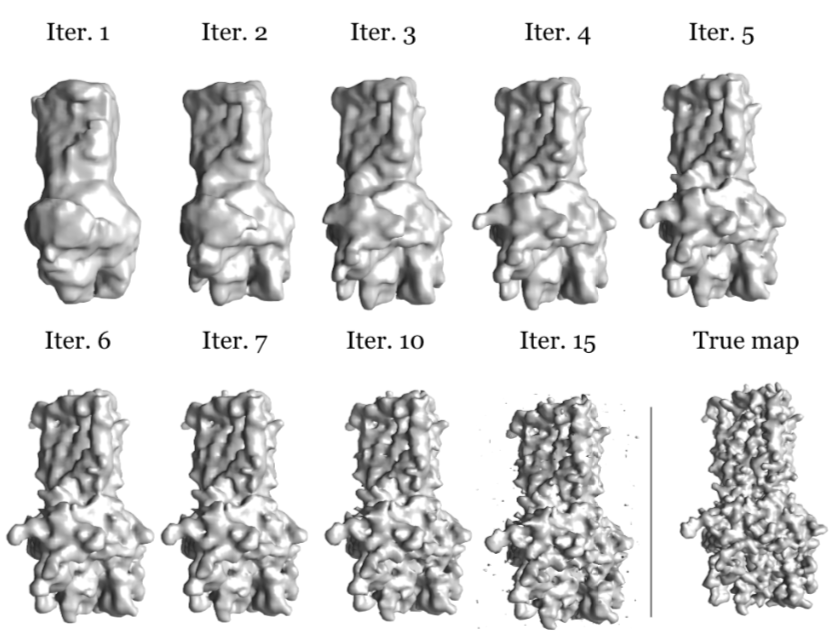
Homotopy Methods for Regularized Inverse Problems
Philippe Parisot
Supervisors: Thomas Debarre, Michael Unser
Subject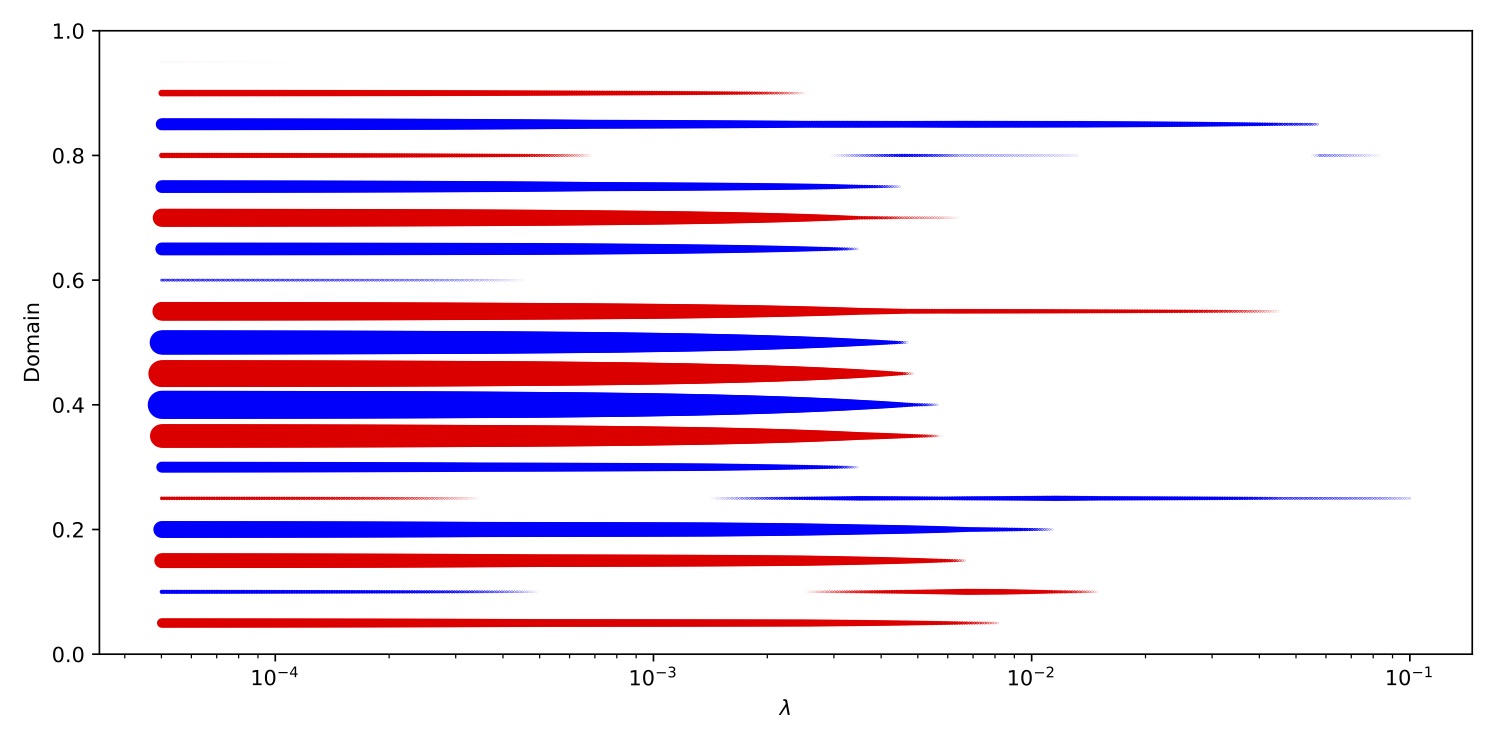
Slice-based Dictionary Learning for Computed Tomography
Louis-Nicolas Douce
Supervisors: Pakshal Bohra, Michael Unser, Thanh-An Pham
Subject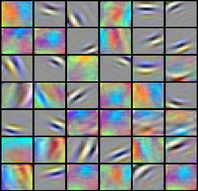
Learning Robust Neural Networks via Controlling their Lipschitz Regularity
Moulik Choraria
Supervisors: Jaejun Yoo, Michael Unser, Shayan Aziznejad
Subject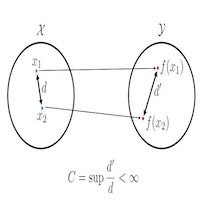
Image reconstruction for optical diffraction tomography
Mohamed Bahroun
Supervisors: Thanh-An Pham, Michael Unser
Subject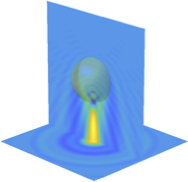
Benchmarking of Proximal Algorithms for Solving Regularized Inverse Problems
Malo Simondin
Supervisors: Thomas Debarre, Michael Unser
Subject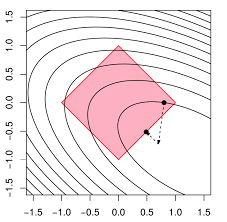
Lipschitz Constrained Generative Adversarial Networks
Polina Proskura
Supervisors: Jaejun Yoo, Michael Unser, Joaquim Campos, joaquim.campos@epfl.ch, BM 4.141
Subject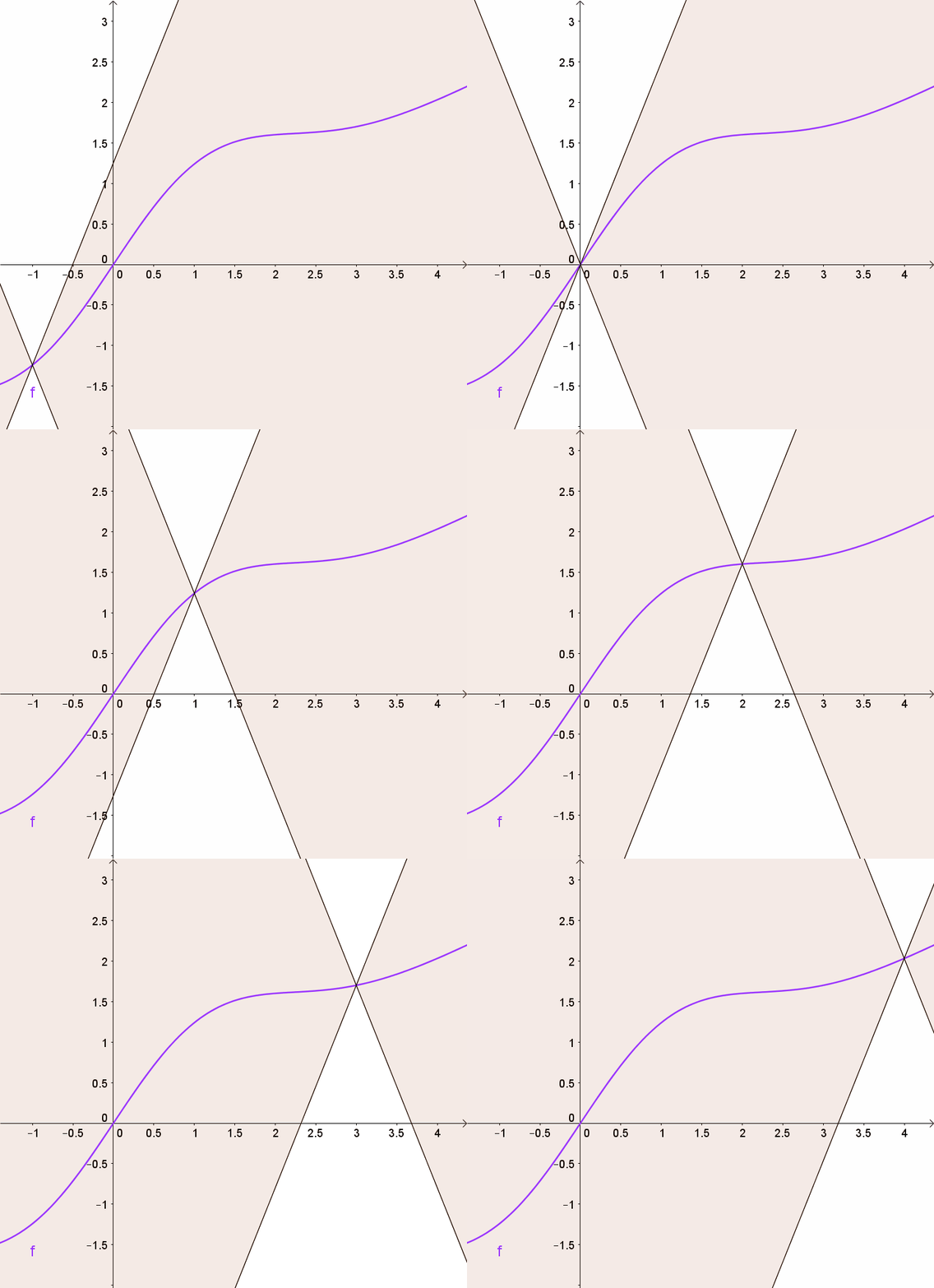
Analysis of tree rings patterns in dendrochronological and forest ecosystem studies
Malo Simondin
Supervisors: Philippe Thévenaz, Michael Unser, Pascal Turberg (EPFL ENAC IIC PIXE)
Subject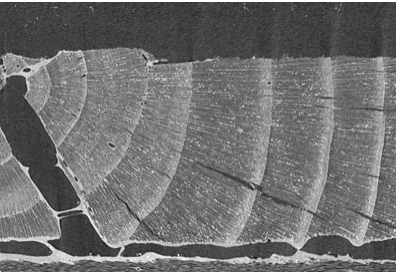
Image analysis algorithm for crack detection in walls
Rémy Dornier
Supervisors: Daniel Sage, Michael Unser, Katrin Beyer, Amir Rezaie (ENAC)
Subject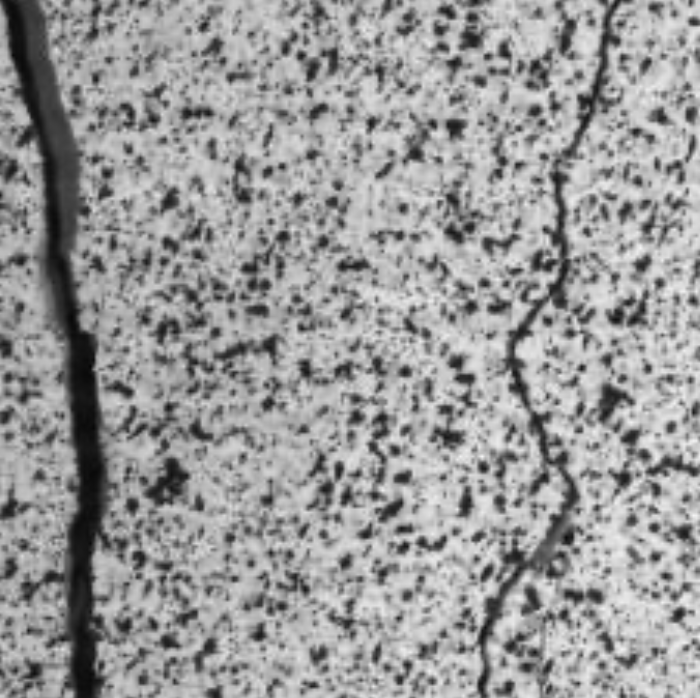
Deep Learning and Image Analysis to Distinguish Murine form Human cells (Prof C. Brisken)
Quentin Juppet
Supervisors: Daniel Sage, Michael Unser
SubjectReview and implementation of loss functions for image-to-image neural network
Alexandre Levy
Supervisors: Daniel Sage, Michael Unser, Jaejun Yoo
SubjectDynamic of cracks in wall based on analysis of image sequence
Emma Bouton-Bessac
Supervisors: Daniel Sage, Michael Unser, Amir Rezaie
Subject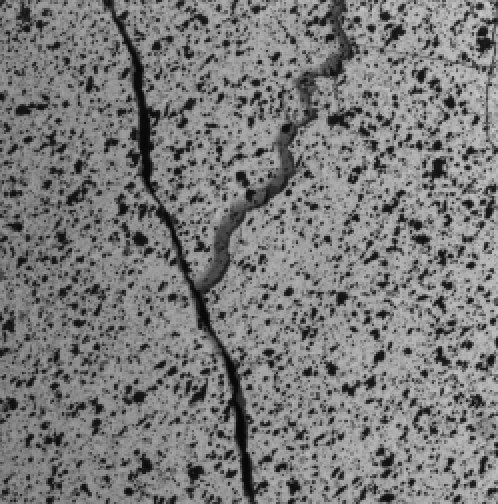
Growth of E. coli cells: simulation of images data to training of a neural network (Prof. McKinney)
Héloïse Monnet
Supervisors: Daniel Sage, Michael Unser
Subject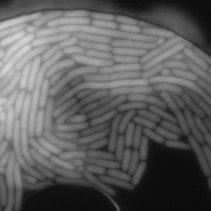
Phase Retrieval in the GlobalBioIm library
Benoît Pelisson
Supervisors: Jonathan Dong, Michael Unser
Subject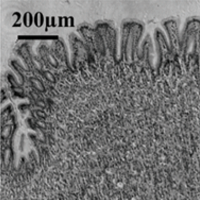
Higher-Order Regularization Methods for Supervised Learning
Joaquim Campos
Supervisors: Shayan Aziznejad, Michael Unser
SubjectGenerating Sparse Stochastic Processes
Leello Dadi
Supervisors: Shayan Aziznejad, Michael Unser
Subject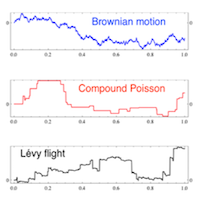
Learning the 3D structure of proteins with dictionary learning
Stefania Konstantinidi
Supervisors: Laurène Donati, Michael Unser
Subject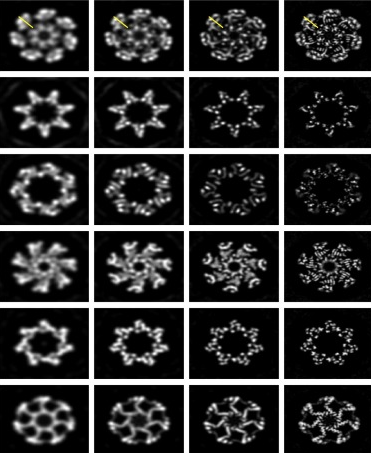
Phase Unwrapping with Deep Learning
Jérome Savary
Supervisors: Thanh-An Pham, Michael Unser, Kyong Hwan Jin
Subject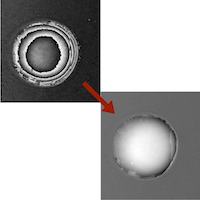
Benchmarking of numerical methods for solving inverse problems
Zhiwei Huang
Supervisors: Pakshal Bohra, Michael Unser, Emmanuel Soubies
SubjectImage analysis plugin to monitor the growth of lithium particles in TEM images (INE lab, Tileli Vasiliki)
Shad Ali Durussel
Supervisors: Daniel Sage, Michael Unser, Laurène Donati
Subject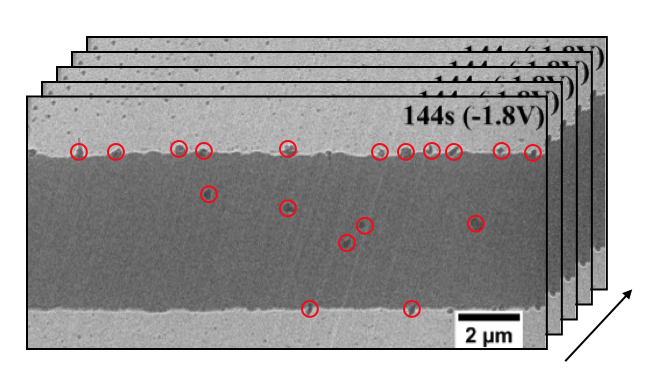
Reconstruction of autofluorescence optical projection tomography
Thomas Ramseier
Supervisors: Mike McCann, Michael Unser, Thanh-An Pham
Subject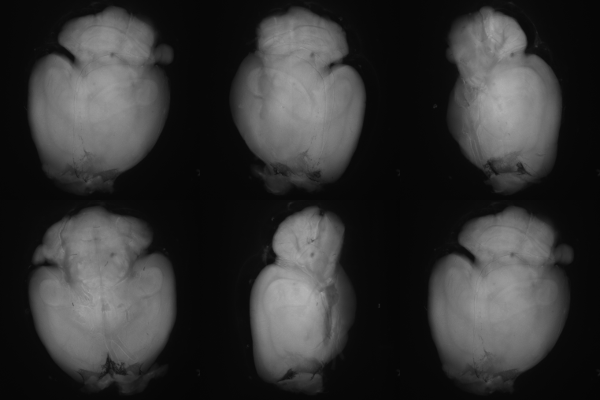
An off-the-grid algorithm in ImageJ for 3D single-molecule localization microscopy
Amandine Evard
Supervisors: Thanh-An Pham, Michael Unser, Quentin Denoyelle
Subject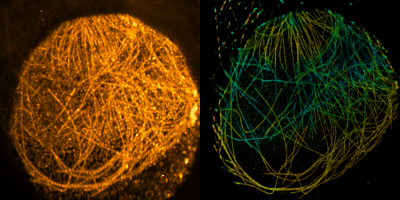
Learning Spline-based activations for very deep learning
Joaquim Campos
Supervisors: Harshit Gupta, Michael Unser
Subject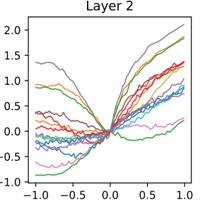
Implementing Deep-learning-based iterative algorithm to solve inverse problem of MRI
Huy Thong Phan
Supervisors: Harshit Gupta, Michael Unser, Than-an Pham
Subject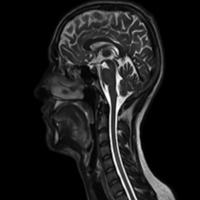
Timing correction for slow-scanning biomedical imaging devices
Luca Fetz
Supervisors: Thomas Debarre, Michael Unser, Thanh-An Pham
Subject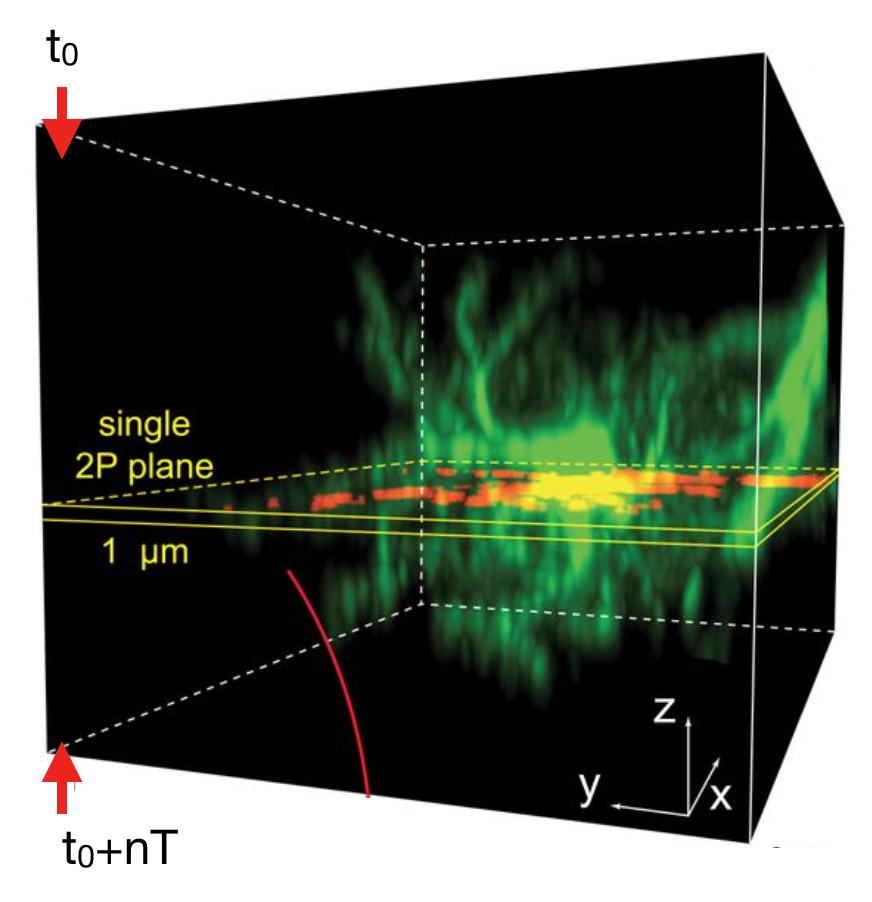
Simulating realistic synthetic data sets for developing a self-driving microscope
Robin Lang
Supervisors: Daniel Sage, Michael Unser, Juliette Griffié and Suliana Manley LEB EPFL
Subject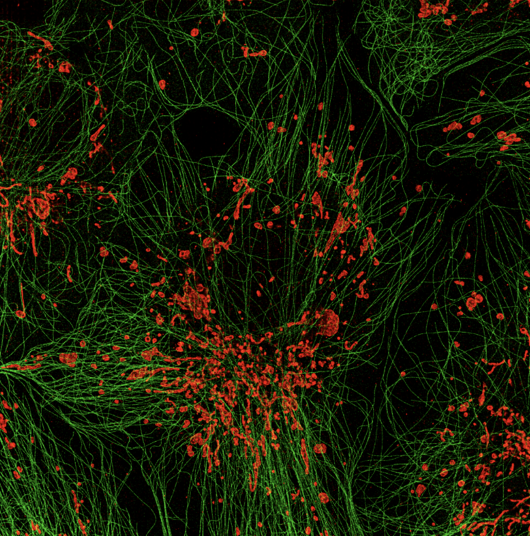
Dictionary Learning for Limited Angle Computed Tomography
Clélie De Witasse
Supervisors: Thanh-An Pham, Michael Unser, Pakshal Bohra, pakshal.bohra@epfl.ch
SubjectDeep Learning for Angle Estimation in Cryo-EM
Jelena Bancac
Supervisors: Laurène Donati, Michael Unser, Michaël Defferrard (LTS2)
Subject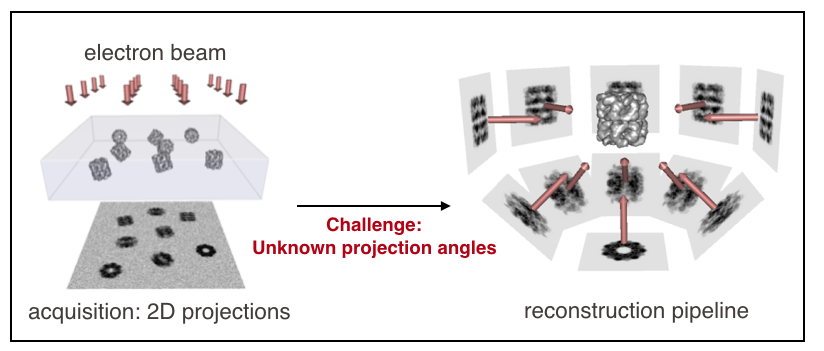
An off-the-grid algorithm in ImageJ for 3D single-molecule localization microscopy
Elias Gajo
Supervisors: Quentin Denoyelle, Michael Unser, Thanh-An Pham
Subject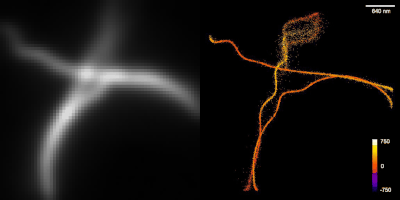
Quantifying cell cycle-gated expression of transcription factors by machine learning on fluorescence microscopy data (Prof. D. Suter)
Mai Yuanfei
Supervisors: Anonymous, Daniel Sage, David Suter
SubjectTracking animal behavior in neuroimaging studies
Julien Rüegg
Supervisors: Virginie Uhlmann, Michael Unser
Subject
Sparse Signal Reconstruction using Variational Methods with Fractional Derivatives
Stefan Stojanovic
Supervisors: Thomas Debarre, Michael Unser, Julien Fageot
Subject
Optimal Configurations for Parallel-Beam Computed Tomography
Martial Bernard-Michel
Supervisors: Laurène Donati, Michael Unser
Subject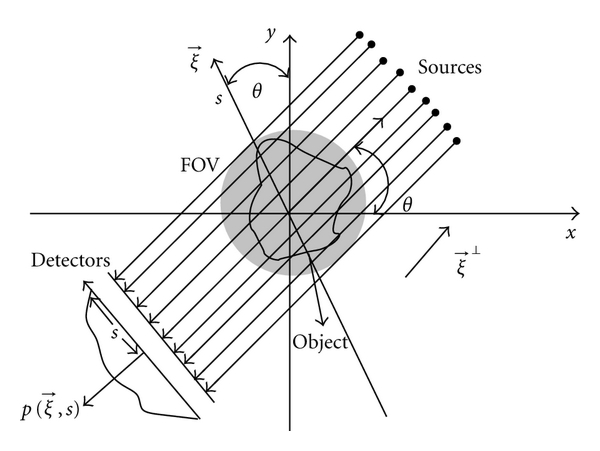
Two dimensional SIM reconstruction from 4 images
Christophe Muller
Supervisors: Emmanuel Soubies, Michael Unser
Subject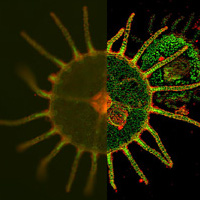
Steerable filters as imaging biomarkers for precision medicine
Mickaël Salamin
Supervisors: Adrien Depeursinge, Michael Unser, Prof. Xavier Montet, HUG
Subject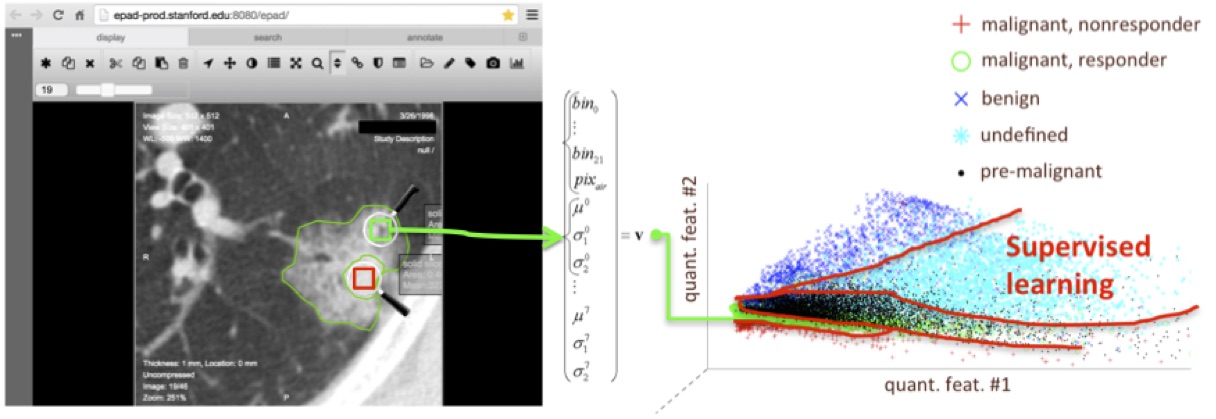
Deep convolutional neural networks for precision medicine
Roser Viñals
Supervisors: Adrien Depeursinge, Michael Unser, Prof. Xavier Montet (HUG), Dr. Kyong Jin
Subject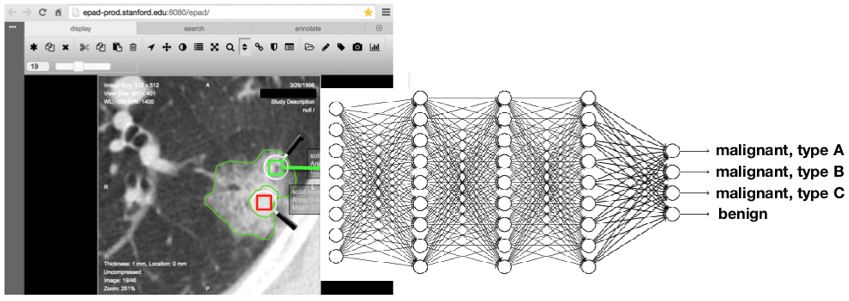
Web tools for image processing and for super-resolution microscopy visualisation
Robin Lang
Supervisors: Daniel Sage, Michael Unser
SubjectColor Thread-Toning
Icíar Lloréns Jover
Supervisors: Mike McCann, Michael Unser
Subject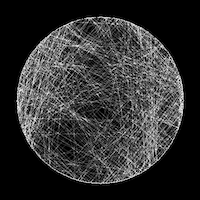
Improving depth-of-field by deconvolution
Cédric Schumacher
Supervisors: Emmanuel Soubies, Michael Unser, Thanh-An Pham
Subject
Monitoring plant phenotyping by time-lapse video
Arthur Benzaquin
Supervisors: Daniel Sage, Michael Unser, Prof. Colin Jones
SubjectInteractive B-spline demo running in a web browser
Robin Lang
Supervisors: Daniel Schmitter, Michael Unser
SubjectDidactic demonstrations for image-processing courses in HTML5 / Javascript
Cyril Favre
Supervisors: Daniel Sage, Michael Unser
Subject
Deep Learning for Image Inpainting
Arbani Amr
Supervisors: Kyong Jin, Michael Unser
Subject
3D Steerable Filter Learning for Efficient Volumetric Image Analysis
Camille Boymond
Supervisors: Adrien Depeursinge, Michael Unser, Julien Fageot, julien.fageot@epfl.ch, BM 4.139, Tel: 021 693 3701
Subject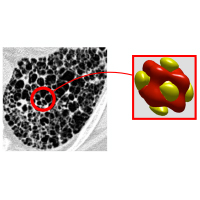
Design of optimal 2D-steerable filters: theory and implementation
Benjamin Beck
Supervisors: Julien Fageot, Michael Unser, Adrien Depeursinge
SubjectLearning Approach for Image Restoration
Carlos Malanche
Supervisors: Ha Nguyen, Michael Unser
SubjectA study of the tip detection problem
Alexandre Cherqui
Supervisors: Virginie Uhlmann, Michael Unser
Subject
B-spline implementation to find the solution of continuous domain total-variation minimization problem
Thomas Debarre
Supervisors: Harshit Gupta, Michael Unser
Subject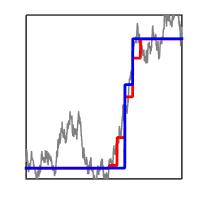
Region of Interest Computed Tomography
Laura Vilaclara
Supervisors: Mike McCann, Michael Unser
Subject
Deep Learning for Medical Imaging (MRI)
Christophe Windler
Supervisors: Kyong Jin, Michael Unser
Subject
Building a Theory for Hermite L-splines
Julien Rüegg
Supervisors: Julien Fageot, Michael Unser, Virginie Uhlmann, virginie.uhlmann@epfl.ch, BM 4.142, Tel: 021 693 1136
Subject
Super-resolution imaging using Deep-Learning
Clémentine Aguet
Supervisors: Emmanuel Soubies, Michael Unser, Kyong Jin, kyong.jin@epfl.ch, BM 4.135, Tel: 021 693 5189
Subject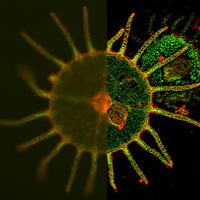
Resolution improvement by 3D multiview reconstruction in SPIM imaging
Katarina Lichardova
Supervisors: Denis Fortun, Michael Unser, Ferreol Soulez
Subject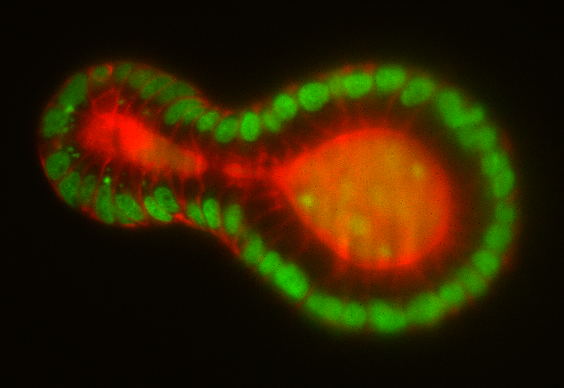
Framework for pixel classification system in time-lapse microscopy images
Julien Marengo
Supervisors: Daniel Sage, Michael Unser, Kyong Jin, Anaïs Badoual
SubjectSparse steerable textons
Jeremy Casorso
Supervisors: Adrien Depeursinge, Michael Unser, Daniel Schmitter, Julien Fageot
SubjectActive Contour for Jointly Segmentation of Multiple Cells
Aymeric Galan
Supervisors: Anaïs Badoual, Michael Unser, Daniel sage, daniel.sage@epfl.ch
Subject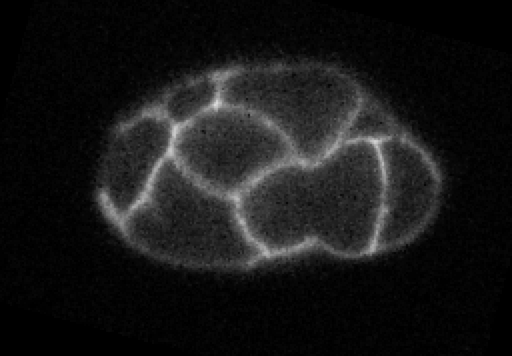
Rotation axis estimation for parallel-beam X-ray CT
Claire Stoffel
Supervisors: Mike McCann, Michael Unser
Subject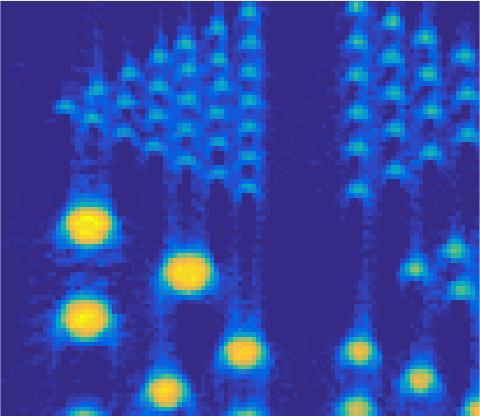
Semi-blind reconstruction for Structured Illumination microscopy
Rémy Gardier
Supervisors: Emmanuel Soubies, Michael Unser, Laurène Donati, laurene.donati@epfl.ch
Subject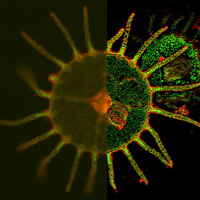
Restoring axial resolution using a 2D/3D deep convolution neuronal network
Joey Zenhäusern
Supervisors: Daniel Sage, Michael Unser, Kyong Jin, kyong.jin@epfl.ch
Subject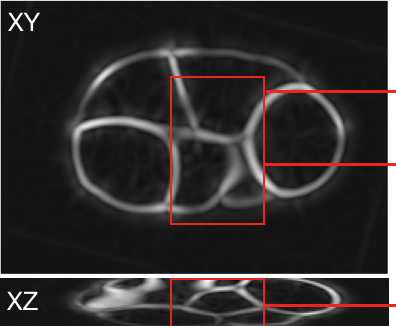
Deep neural networks: learning with splines
Arnaud Pannatier
Supervisors: Anaïs Badoual, Michael Unser, Shayan Aziznejad
Subject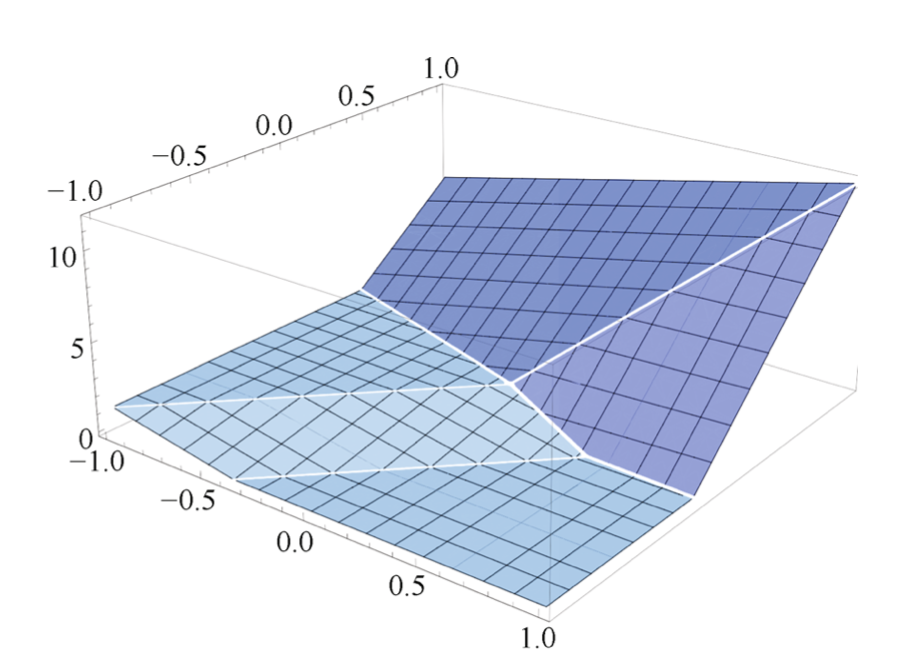
Quantification of fiber-like structures in time-lapse fluorescence microscopy images
Florian Poma
Supervisors: Daniel Sage, Michael Unser
Subject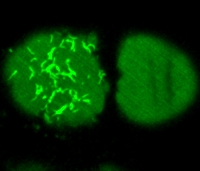
Implementation of scalable detectors in 2D/3D
Robin Weiskopf
Supervisors: Zsuzsanna Puspöki, Michael Unser
Subject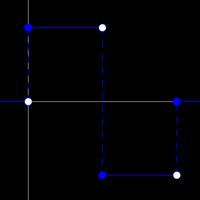
A theoretical study of steerable homogeneous operators
Lilian Besson
Supervisors: Julien Fageot, Michael Unser
Subject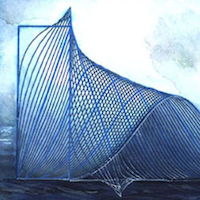
Deep Convolutional Neural Networks for Texture Classification
Thibault Groueix
Supervisors: Adrien Depeursinge, Michael Unser
Subject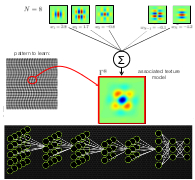
Analysis of cortical structures from 3D live imaging of C. elegans embryos
Jean Frédéric Haizmann
Supervisors: Daniel Sage, Michael Unser, Pierre Gönczy
Subject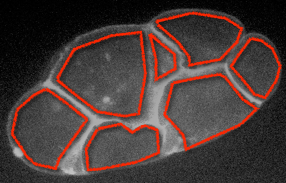
Learning-Based Attenuation of the Noise of a Speech Recording
Valentin Oreiller
Supervisors: Denis Fortun, Michael Unser
SubjectData Augmentation for Deep Learning
Matthieu Cotting
Supervisors: Anaïs Badoual, Michael Unser, Daniel Sage
Subject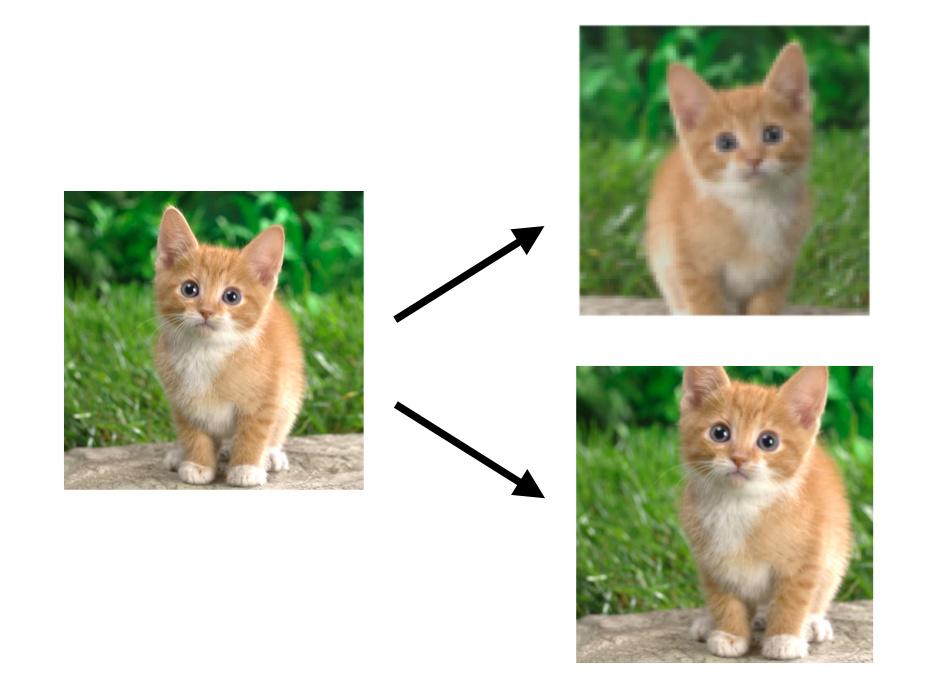
Compressibility of sparse stochastic processes
Shayan Aziznejad
Supervisors: Julien Fageot, Michael Unser
SubjectTexture Snake for Tumor Grading
Yann Perret
Supervisors: Anaïs Badoual, Michael Unser, Adrien Depeursinge
Subject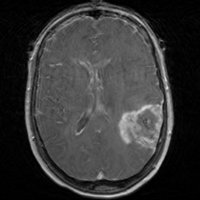
Simultaneous Phase and Amplitude Extraction in X-ray Computed Tomography
Pedro Roberto
Supervisors: Masih Nilchian, Michael Unser
Subject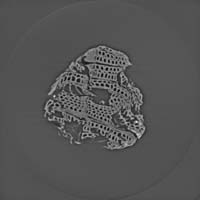
3D Steerable Filter for Foam Junction Detection
Benjamin Beck
Supervisors: Adrien Depeursinge, Michael Unser, Zsuzsanna Püspöki
Subject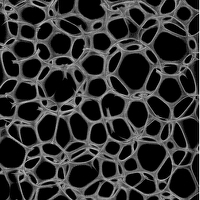
Java optimization package development
Sahar Hanna
Supervisors: Zsuzsanna Puspöki, Michael Unser
Subject
Deconvolution of multi-spectral multi-frame astrophysical images
Michal Tyszkiewicz
Supervisors: Ferréol Soulez, Michael Unser
Subject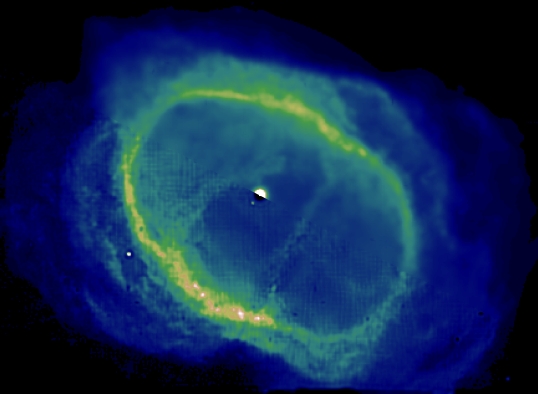
Quantifying cell deformation with optical flow in time-resolved super-resolution
Colin Darbellay
Supervisors: Denis Fortun, Michael Unser, Theo Lasser
Subject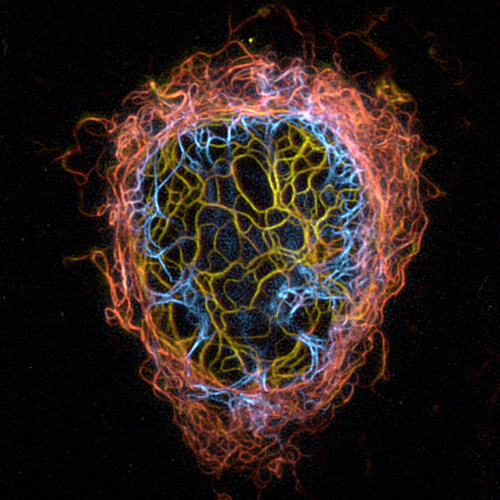
Analysis of cortical structures from 3D live imaging of C. elegans embryos
Baptiste Sottas
Supervisors: Daniel Sage, Michael Unser
Subject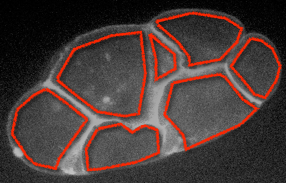
Variational approaches for optical flow estimation
Christopher Finelli
Supervisors: Emrah Bostan, Michael Unser, Denis Fortun, denis.fortun@epfl.ch, BM 4.135, Tel: 31219
Subject
Regularity of Sparse Stochastic Processes
Alireza Fallah
Supervisors: Julien Fageot, Michael Unser
Subject
Image Calibration for Super-resolved Structured Illumination Microscopy (SIM)
Roland Nussbaumer
Supervisors: Daniel Sage, Michael Unser, 1) Ning Chu ning.chu@epfl.ch BM 4.141 Tel 021 693 51 43
Subject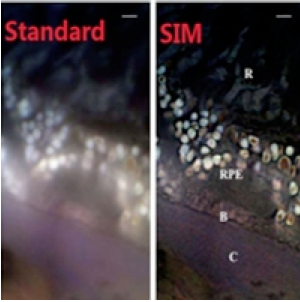
Reconstruction of a 3D map of the refractive index from digital holography microscopy data
Sander Kromwijk
Supervisors: Ulugbek Kamilov, Michael Unser
SubjectSelf-Similar Image Doubling by Hallucinating the Lazy Wavelet
Christopher Finelli
Supervisors: Philippe Thévenaz, Michael Unser
Subject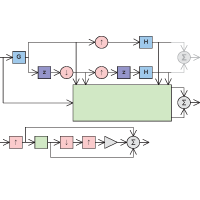
Segmentation of cardiac images in 3D MRI
Christophe Gaudet-Blavignac
Supervisors: Daniel Schmitter, Michael Unser, Davide Piccini (CVMR, CIBM-Siemens)
Subject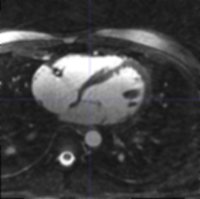
Annulus detection method with active contours
Timothée Bronner
Supervisors: Daniel Sage, Michael Unser
Subject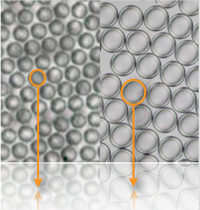
Tracking Keratinocytes in co-culture
Arik Girsault
Supervisors: Virginie Uhlmann, Michael Unser, Daniel Sage, daniel.sage@epfl.ch, BM 4.135, Tel: 021 693 51 89
Subject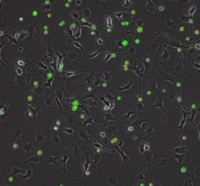
Texture segmentation based on steerable wavelets
Vasileios Angelopoulos
Supervisors: Martin Storath, Michael Unser, Adrien Depeursinge
Subject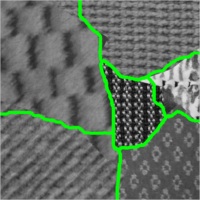
Super-resolution Image Reconstruction for Structured Illumination Microscopy (SIM) as ImageJ Plugin
Roland Nussbaumer
Supervisors: Daniel Sage, Michael Unser, 1) Ning Chu ning.chu@epfl.ch BM 4.141 Tel 021 693 51 43
Subject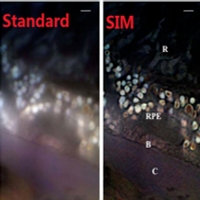
Quantification of the host pathogen interactions by image analysis (II)
Ariane Kaeppeli
Supervisors: Daniel Sage, Michael Unser, Matthieu Delincé
Subject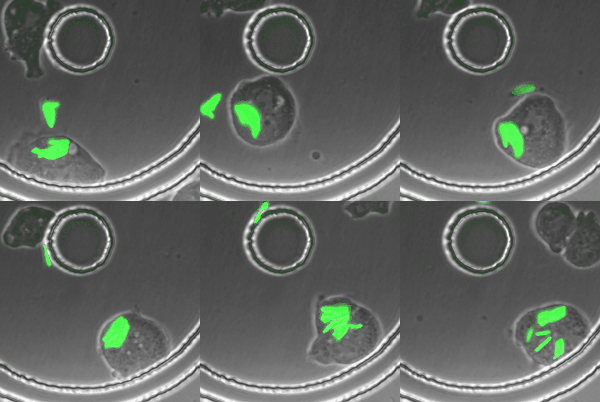
Maya (or Blender) plugin development for spline surface deformation
Romain Degoul
Supervisors: Daniel Schmitter, Michael Unser
Subject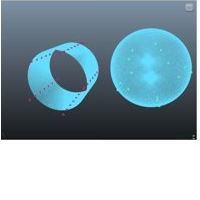
Corner Detection based on PDE Methods
Vermot Bertrand
Supervisors: Virginie Uhlmann, Michael Unser, Julien Fageot, julien.fageot@epfl.ch, BM 4.139, Tel: 021 693 3701
Subject
Design of active contour models using NURBS
rimmiryam.chaabouni@epfl.ch
Supervisors: Virginie Uhlmann, Michael Unser, Daniel Schmitter, daniel.schmitter@epfl.ch, Julien Fageot, julien.fageot@epfl.ch
Subject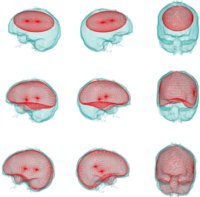
Interactive image segmentation based on the Potts model
Vasileios Angelopoulos
Supervisors: Martin Storath, Michael Unser
Subject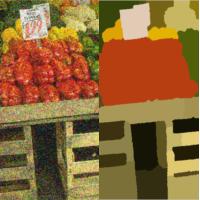
Physics-based active contour energy to prevent twisting of parametric spline snakes
Araz Yaqubov
Supervisors: Daniel Schmitter, Michael Unser, Pedram Pad (pedram.pad@epfl.ch), Anaïs Badoual (anais.badoual@epfl.ch)
Subject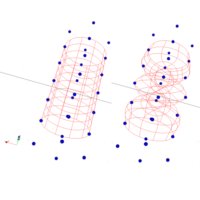
Measuring ocular blood flow using steerable Hessian wavelets
Blaise Robert
Supervisors: Adrien Depeursinge, Michael Unser, Prof Martial Geiser, HES-SO Sion
Subject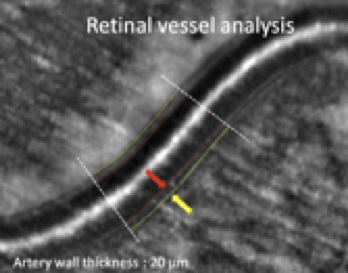
Segmentation of Doppler ultrasound images for monitoring the blood flow
Brune Bastide and Axel Vandebrouck
Supervisors: Anaïs Badoual, Michael Unser, Daniel Sage, Raoul Schorer
Subject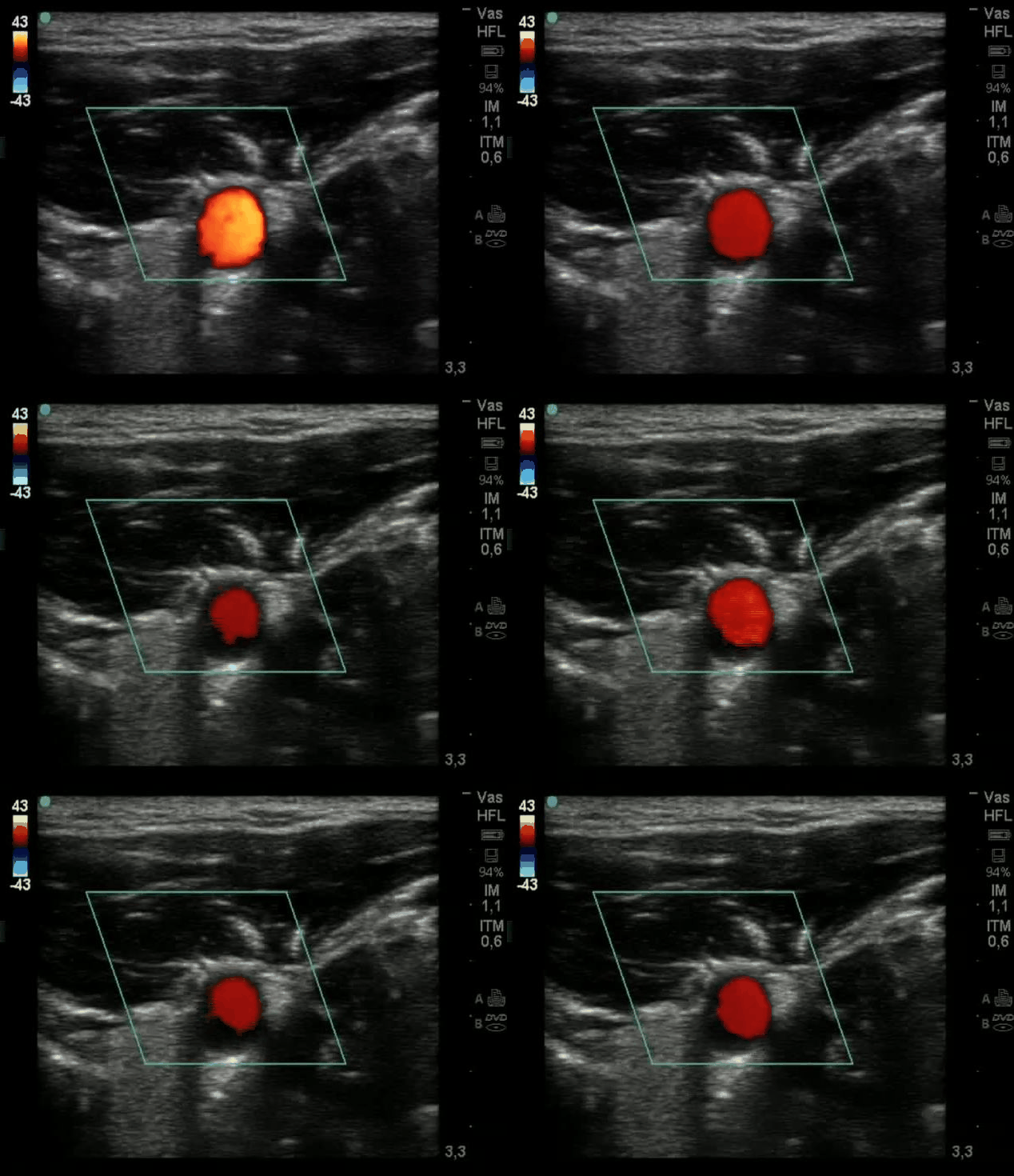
Parametric shape representation using spline-based basis functions
Pablo Garcia-Amorena
Supervisors: Daniel Schmitter, Michael Unser
Subject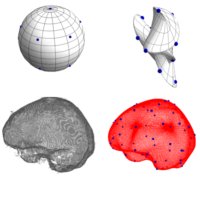
Morphometric measurement of larvae of fish by image analysis
Luc Girod
Supervisors: Daniel Sage, Michael Unser
Subject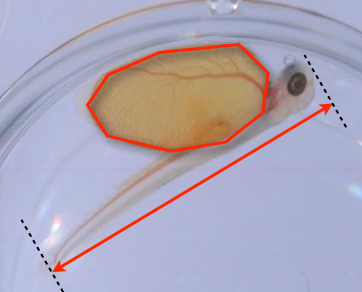
Spatio-temporal Analysis of Biomedical Images Using Active Cells
Julien Jacquemot and Clément Marti
Supervisors: Ricard Delgado-Gonzalo, Michael Unser
Subject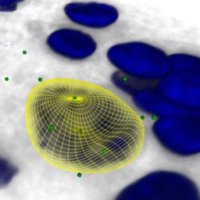
Scalable wavelet on biological images
Lucio Genini
Supervisors: Zsuzsanna Puspöki, Michael Unser, John-Paul Ward, Daniel Sage
Subject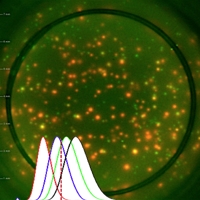
Detection and enhancement of blood flow in a video
Lucas Vandroux
Supervisors: Pedram Pad, Michael Unser, Virginie Uhlmann, virginie.uhlmann@epfl.ch, BM 4.142, Tel: 021 693 1136
SubjectRefining leg-movement extraction in high-speed videos of insect locomotion
Lucas Amoudruz
Supervisors: Virginie Uhlmann, Michael Unser, Pavan Ramdya, pavan.ramdya@epfl.ch, ELE 130, Tel: 021 693 69
Subject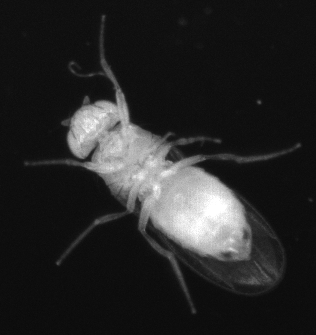
Modelling mycobacteria behavior in time-lapse microscopy images
Laurène Donati
Supervisors: Virginie Uhlmann, Michael Unser
Subject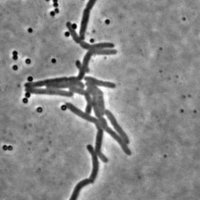
Finding strong gravitational lenses using the ESA Euclid space telescope
Emmanuel Girardin
Supervisors: Zsuzsanna Puspöki, Michael Unser
Subject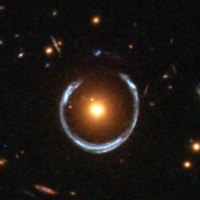
Designing Tip-Detectors
Pritish Chakravarty
Supervisors: Virginie Uhlmann, Michael Unser, Zsuzsanna Püspöki, zsuzsanna.puspoki@epfl.ch, BM 4.139, Tel: 021 693 51 57
Subject
Identification of Physical Properties Obtained at Nanometer Scale by Combining Infrared Spectroscopy with Atomic-Force Microscopy
Stéphanie Becker
Supervisors: Philippe Thévenaz, Michael Unser
Subject
3D microscopy deconvolution on GPU
Sander Kromwijk
Supervisors: Stamatis Lefkimmiatis, Michael Unser
Subject
Interactive demo for Signals & Systems course
Mamoun Benkirane
Supervisors: Ulugbek Kamilov, Michael Unser
Subject
Classifying galaxy type using the ESA Euclid space telescope
Christopher Finelli
Supervisors: Daniel Schmitter, Michael Unser, Virginie Uhlmann, virginie.uhlmann@epfl.ch, BM 4.142, Tel: 021 693 1136
Subject
Tracking flagella undulations in microscopy images
Amicie De Pierrefeu
Supervisors: Daniel Sage, Michael Unser, Daniel Sage, daniel.sage@epfl.ch, BM 4.135, Tel: 021 693 51 89
Subject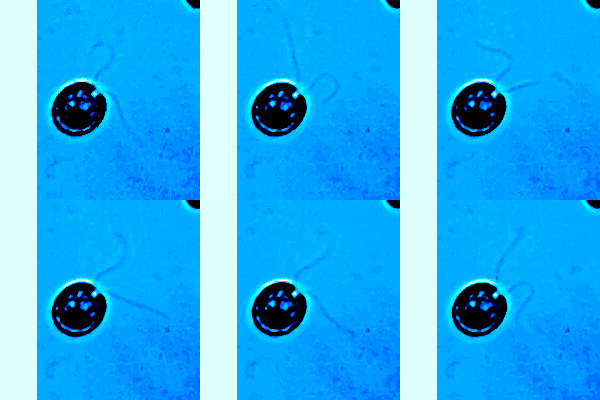
Deconvolution in biomicroscopy
Charlotte Juillard
Supervisors: Daniel Sage, Michael Unser
Subject
Quantification of the host pathogen interactions by image analysis
Ariane Kaeppeli
Supervisors: Daniel Sage, Michael Unser
Subject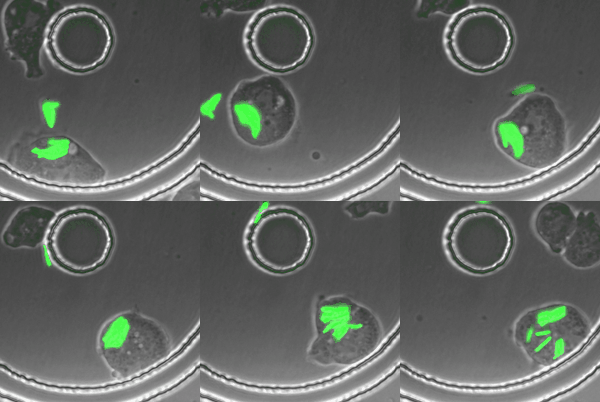
Junction detection in biomedical micrographs
Kilian Thomas
Supervisors: Zsuzsanna Puspöki, Michael Unser, Julien Fageot
Subject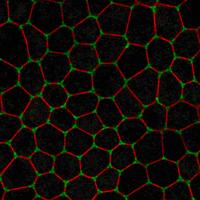
Flow field enhancement with divergence-free wavelets
Florence Gavin
Supervisors: Emrah Bostan, Michael Unser, Emrah Bostan, emrah.bostan@epfl.ch, BM 4.140, Tel: 35142
Subject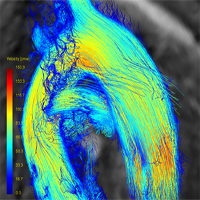
Investigation of the multiscale (wavelet-domain) statistics of natural and biomedical images
Thomas Pumir de Louvigny
Supervisors: Julien Fageot, Michael Unser
Subject
Segmentation and tracking of growing colony of mycobacteria
Olivia Mariani
Supervisors: Virginie Uhlmann, Michael Unser, Daniel Sage
Subject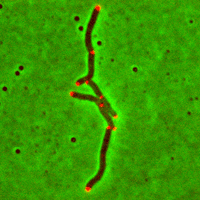
Assessment of imaging performance in confocal fluorescence microscopy
Elia Ben Hamou and Edoardo D'Anna
Supervisors: Cédric Vonesch, Michael Unser
Subject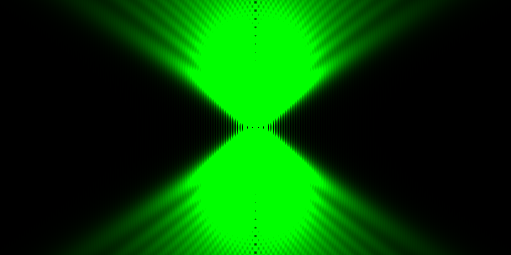
Total Intracranial Volume Extraction on 3D MRI MP2RAGE Data
Daniel Schmitter
Supervisors: Ricard Delgado-Gonzalo, Michael Unser
Subject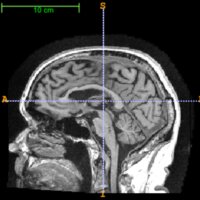
A practical inverse problem approach for phase imaging
Emmanuel Froustey
Supervisors: Emrah Bostan, Michael Unser, Daniel Sage, daniel.sage@epfl.ch, BM 4.135, Tel: 021 693 51 89
Subject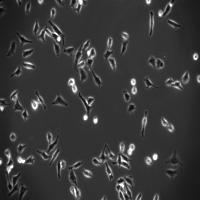
Object Classification with Kinect
Julien Schwab
Supervisors: Ulugbek Kamilov, Michael Unser
Subject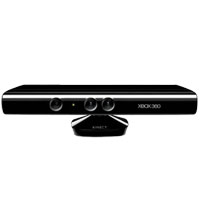
Optical Flow Estimation under Sparsity Constraints
Emmanuel Froustey
Supervisors: Emrah Bostan, Michael Unser, Pouya D. Tafti, pouya.tafti@epfl.ch, BM 4.142
Subject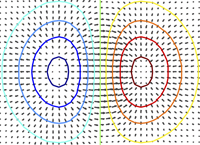
GPU accelerated 3D deconvolution
Christophe Zurn
Supervisors: Stamatis Lefkimmiatis, Michael Unser
Subject
Swallowing Human
Benjamin D'incau
Supervisors: Ricard Delgado-Gonzalo, Michael Unser, Daniel Sage
Subject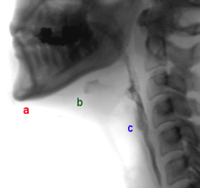
Tracking leg movements in high-speed videos of insect locomotion
Loïc Perruchoud
Supervisors: Cédric Vonesch, Michael Unser
Subject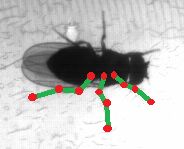
Java Application for the Easy Creation of an Art Catalogue
Thibault Priquel
Supervisors: Philippe Thévenaz, Michael Unser
Subject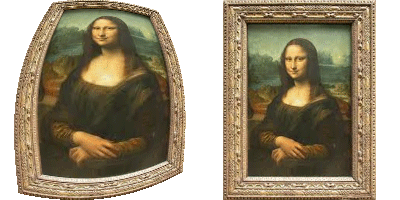
Applet in Java for the Representation of Shapes Using Fourier Series
Lukas De Oliveira Prestes
Supervisors: Daniel Sage, Michael Unser
Subject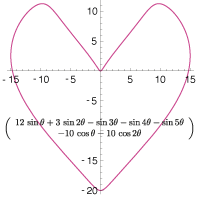
Optical Image Compression
Marcos Gonzalez Diego
Supervisors: bourquard, Michael Unser
Subject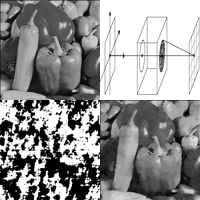
The double helix PSF: implementation and localization applications
Valentin Oreiller
Supervisors: Hagai Kirshner, Michael Unser
Subject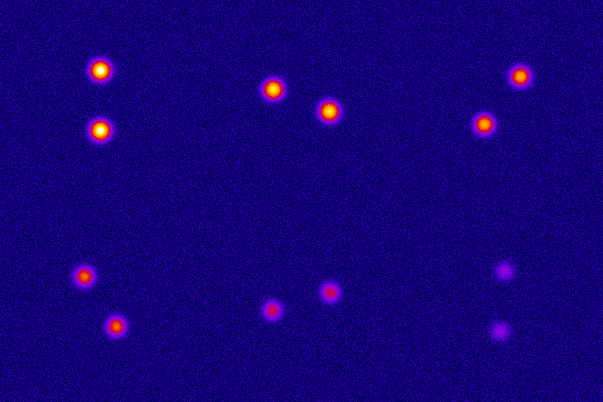
Guitar-tuner app for the iPhone
David Maksa
Supervisors: Cédric Vonesch, Michael Unser
Subject
Cone Beam Differential Phase Contrast X-ray Computed Tomography
Simon-Pierre Génot
Supervisors: Masih Nilchian, Michael Unser
Subject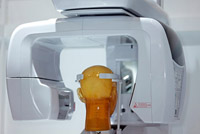
Coil Sensitivity Estimation for Parallel Magnetic Resonance Imaging
Pascal Bienz
Supervisors: Emrah Bostan, Michael Unser, Stamatis Lefkimmiatis, stamatis.lefkimmiatis@epfl.ch, BM 4.138, Tel: 351 36
Subject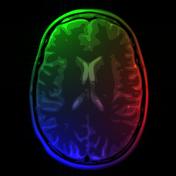
Active Contour for the Detection of Coronary Artery in Ultrasonography
Shogo Hiramatsu
Supervisors: Ricard Delgado-Gonzalo, Michael Unser
Subject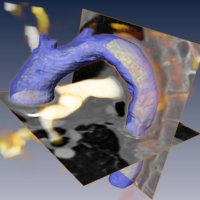
Transport-of-intensity approach for quantitative phase imaging
David Nguyen
Supervisors: Emrah Bostan, Michael Unser, Daniel Sage, daniel.sage@epfl.ch, BM 4.135, Tel: 021 693 51 89
Subject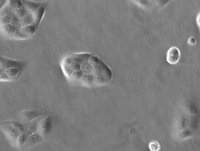
Bounds for the MMSE of Estimation of Stable AR(1) Processes Embedded in Gaussian Noise
Seyed Mohsen Moosavi Dezfooli
Supervisors: Pedram Pad, Michael Unser
Subject
Representation of Stable AR(1) Processes with Partially Coupled Coefficients in Transform Domain
Mohamad Dia
Supervisors: Pedram Pad, Michael Unser
Subject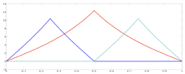
High-Throughput 3D Segmentation of Living Tissue
Julien Jacquemot and Clément Marti
Supervisors: Ricard Delgado-Gonzalo, Michael Unser
Subject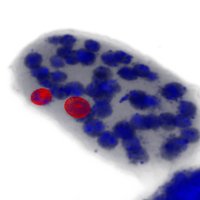
Extracting high-speed insect behavior at micrometer precision
Michael Rusterholz
Supervisors: Cédric Vonesch, Michael Unser
Subject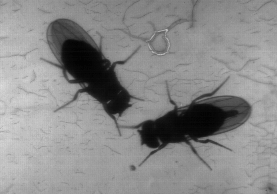
Using Spline Normals to Render Marching Tetrahedra
Sascha Spiegl
Supervisors: Philippe Thévenaz, Michael Unser
Subject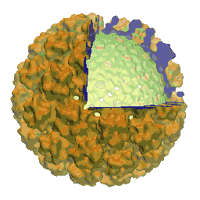
Artifact reduction in phase-contrast X-ray imaging
Pascal Bienz
Supervisors: Masih Nilchian, Michael Unser
Subject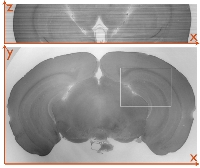
Kinect (TM) control interface for 3D visualization
Stéphanie Falbriard
Supervisors: Ricard Delgado-Gonzalo, Michael Unser
Subject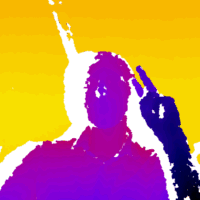
Identification of biomarkers in defocussed images
Frédéric Stauber
Supervisors: Cédric Vonesch, Michael Unser
Subject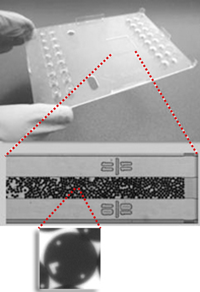
Image inpainting with second-order diffusion
Philippe Favre
Supervisors: Stamatis Lefkimmiatis, Michael Unser, Aurélien Bourquard, aurelien.bourquard@epfl.ch, BM 4.138, Tel: 021 693 51 36
Subject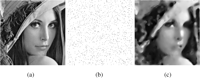
Phase Wrapping in X-ray Differential Phase-Contrast Tomography
Laurent Abouchar
Supervisors: Masih Nilchian, Michael Unser
Subject
Solving Inverse Problems with Sparsifying Transforms
Bugra Tekin
Supervisors: Ulugbek Kamilov, Michael Unser, Emrah Bostan, emrah.bostan@epfl.ch, BM 4.140
Subject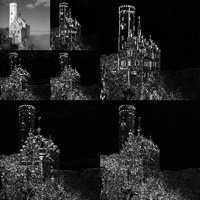
Reconstruction of Signals from Sign Measurements
Ipek Baz
Supervisors: Ulugbek Kamilov, Michael Unser, Aurélien Bourquard, aurelien.bourquard@epfl.ch, BM 4.138, 021 693 5136
Subject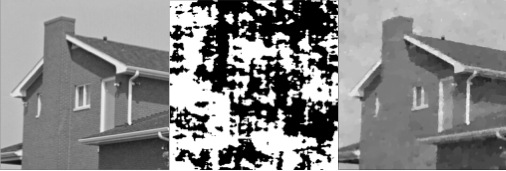
Radially-symmetric compactly-supported image modeling
Adrian Hauswirth
Supervisors: John Paul Ward, Michael Unser, Hagai Kirshner, hagai.kirshner@epfl.ch, BM 4142, Tel: 31136
Subject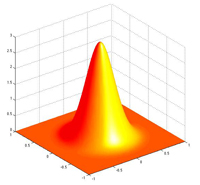
Characterization of G protein coupled receptors by image analysis
Chen Zhiwei
Supervisors: Daniel Sage, Michael Unser
Subject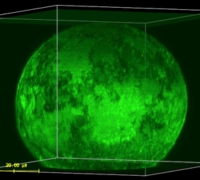
Biological Particles with Levy Motility
Adrien Rosselet
Supervisors: Pedram Pad, Michael Unser
SubjectDetection of the Wing Structure for the Systems Biology Drosophila Fly
Jesús Ayala Domínguez
Supervisors: Ricard Delgado-Gonzalo, Michael Unser, Thomas Schaffter, thomas.schaffter@epfl.ch, ELE 133
Subject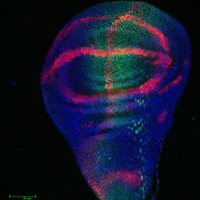
Investigation of the multiscale (wavelet-domain) statistics of natural and biomedical images
Julien Fageot
Supervisors: Pouya Dehghani Tafti, Michael Unser
Subject
Multi-Scale Analysis of Non-Gaussian Innovation Models with First-Order Spatial Dependencies
Patrick Farnole
Supervisors: Pouya Dehghani Tafti, Michael Unser
SubjectVisible Human on the iPhone
Mohamed Amine Barhoumi
Supervisors: Philippe Thévenaz, Michael Unser
Subject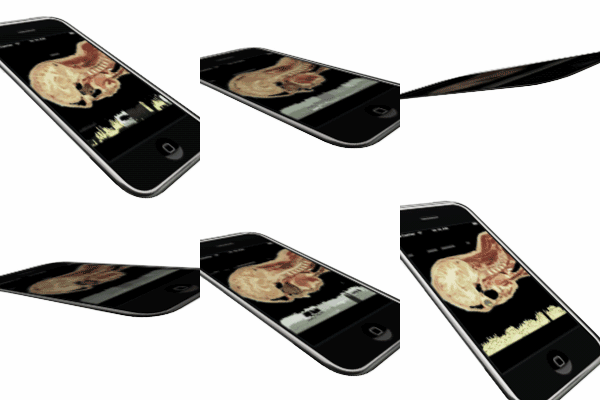
Monitoring the Point Spread Function (PSF) of a microscope for 3D life cell imaging
Philippe Hanhart
Supervisors: bourquard, Michael Unser, 1)Alessandra Griffa (Office: AI 0140, tel: 39629, email: alessandra.griffa@epfl.ch)
Subject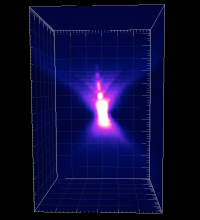
Cell Segmentation with Coupled Active Contours
Hadrien Mottaz
Supervisors: Philippe Thévenaz, Michael Unser
Subject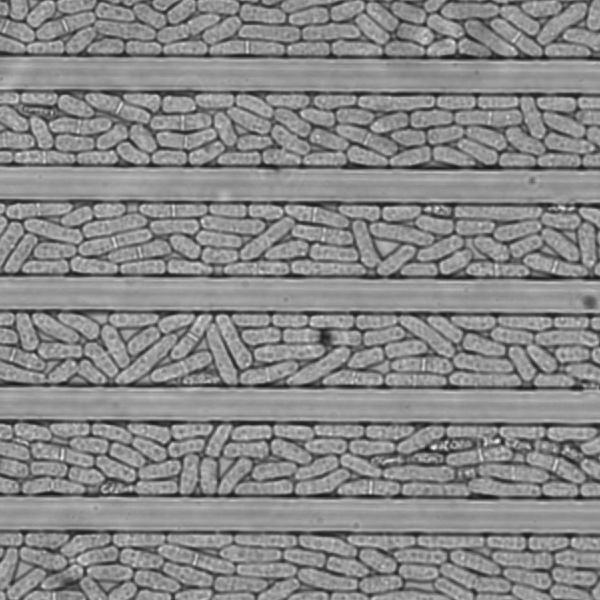
Time-scaling, pitch-shifting of audio
Rafael Mosberger
Supervisors: Nicolas Chenouard, Michael Unser
Subject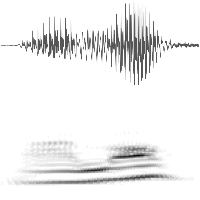
Image Analysis of the Motility of Spermatozoa
Martin Proença
Supervisors: Ricard Delgado-Gonzalo, Michael Unser
Subject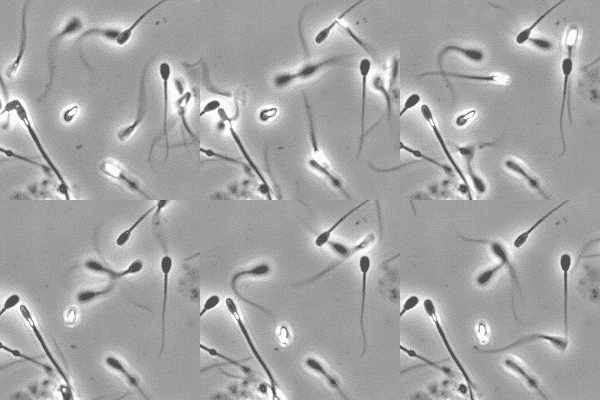
Image Analysis of the Morphology of a Spermatozoon
Raphaël Burgener
Supervisors: Nicolas Chenouard, Michael Unser
Subject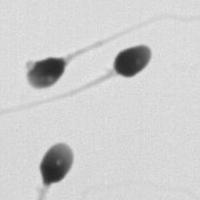
Applications of the monogenic image analysis
Virginie Uhlmann
Supervisors: Daniel Sage, Michael Unser
SubjectAnalytical Fourier samples of spline-defined regions for pMRI reconstruction phantoms
Laurent Lejeune
Supervisors: Guerquin-Kern Matthieu, Michael Unser
SubjectSpeedometer on the iPhone
David Bonzon
Supervisors: Philippe Thévenaz, Michael Unser
Subject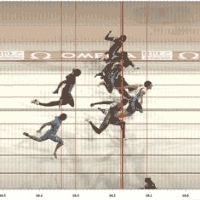
Medical Image Segmentation with Shape Priors
Samuel Garessus
Supervisors: Ricard Delgado-Gonzalo, Michael Unser
Subject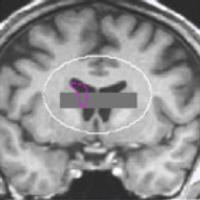
Quantitation of asymmetric mitosis by tracking the spindle poles using fluorescence images
Daniel Schmitter
Supervisors: Daniel Sage, Michael Unser
Subject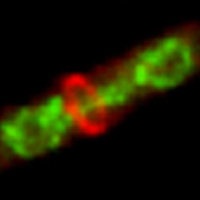
Processing and analysis of biological images using the fast bilateral filter
Cléo Moulin
Supervisors: Masih Nilchian, Michael Unser, Daniel Sage
Subject
Estimation of the 3D structure in super-resolution fluorescence microscopy (PALM)
Patrizia Spoerri
Supervisors: Hagai Kirshner, Michael Unser, Daniel Sage (BM 4.135) tel 351 89
Subject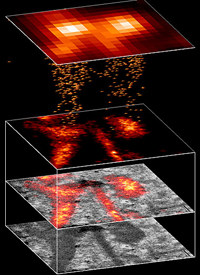
Spatiotemporal Segmentation of Migrating Cells in Fluorescence Microscopy
Florentin Marty
Supervisors: Ricard Delgado-Gonzalo, Michael Unser
Subject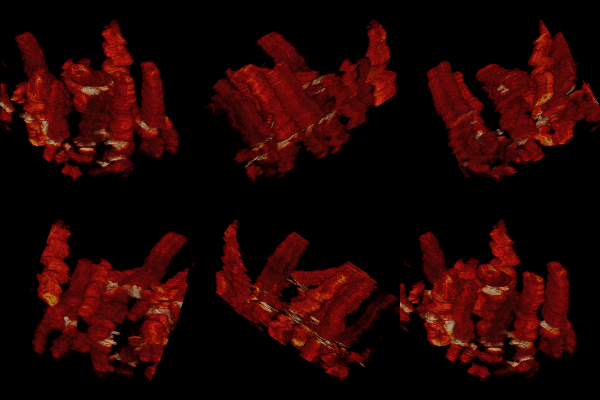
Real-time stereo-matching using an adaptive bilateral filter
Oliver Akermann
Supervisors: Philippe Thévenaz, Michael Unser, Daniel Sage
Subject
Photobleaching correction in fluorescence imaging (STED)
Abdolreza Madi
Supervisors: Stamatis Lefkimmiatis, Michael Unser, Daniel Sage
Subject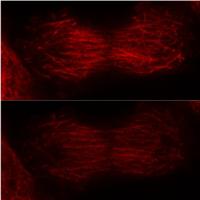
Optimal signal estimators for stable Levy processes
Patrick Farnole
Supervisors: Pouya Dehghani Tafti, Michael Unser
Subject
Identification of Point Spread Function (PSF) aberrations using genetic algorithms
Jérémy Zogg
Supervisors: bourquard, Michael Unser
Subject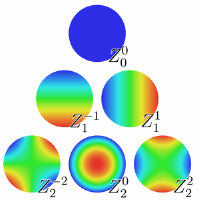
Accurate approximations for L1 image denoising
Clémentine Ouziel
Supervisors: bourquard, Michael Unser, Stamatis Lefkimmiatis, stamatis.lefkimmiatis@epfl.ch, BM 4.138, Tel: 351 36
Subject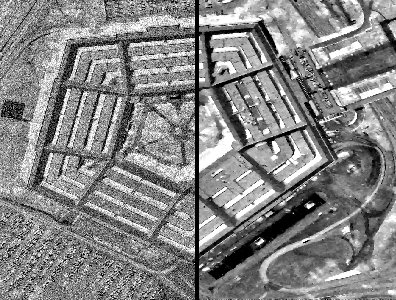
Real-Time Registration of Visible and Thermal Network Cameras
Raphael Zaugg
Supervisors: Ricard Delgado-Gonzalo, Michael Unser
Subject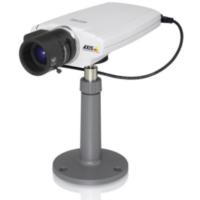
Interactive audio filter design application for the iPhone (TM)
Michael Rusterholz
Supervisors: Pouya Dehghani Tafti, Michael Unser
Subject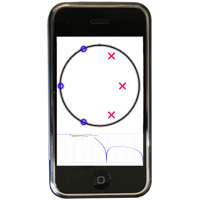
When the iPhone Meets Fourier
Michael Spring
Supervisors: Philippe Thévenaz, Michael Unser
Subject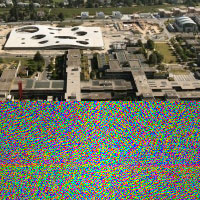
Deconvolution with sparsity constraints
Zafer Dogan
Supervisors: Stamatis Lefkimmiatis, Michael Unser
SubjectEfficient algorithms for vector-field reconstruction
Emrah Bostan
Supervisors: Pouya Dehghani Tafti, Michael Unser
SubjectDisparity from multiscale monogenic phase
Christian Jaques
Supervisors: Kunal Chaudhury, Michael Unser
Subject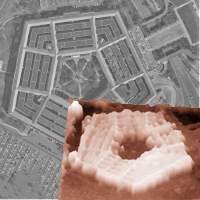
Analyse du comportement de déversoirs dorage à laide dimagerie vidéo
Bergem Yannick
Supervisors: Daniel Sage, Michael Unser
Subject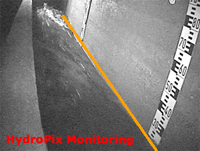
Image denoising using dual formulations
Arnaud Le Carvennec
Supervisors: bourquard, Michael Unser
Subject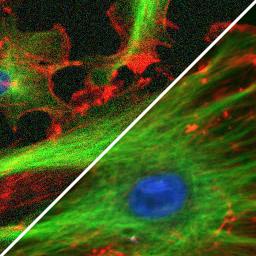
Morphological filtering via energy minimization
Emrah Bostan
Supervisors: bourquard, Michael Unser
Subject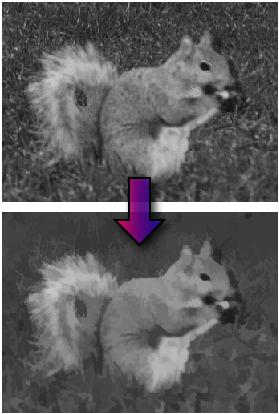
Determination of the Orientation of Tiles in Parallel-Scanning Microscopy
Marco Parisi
Supervisors: Philippe Thévenaz, Michael Unser, Bastien Rachet, bastien.rachet@epfl.ch, BM 4.118, Tel: 021 693 70 12
SubjectCell Tracking in Time-Lapse Microscopy
Mägli Raphaël
Supervisors: Ricard Delgado-Gonzalo, Michael Unser
Subject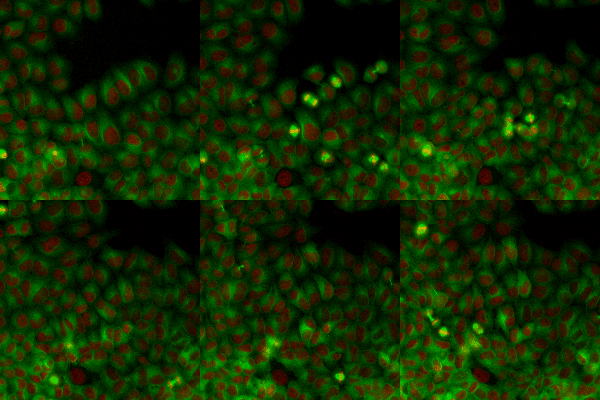
Collagen filaments detection
François Curdy
Supervisors: Daniel Sage, Michael Unser, Alessandra Griffa, BIOP, EPFL
Subject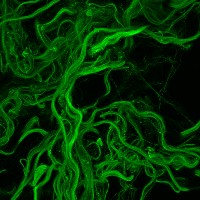
Image Denoising in Fluorescence Microscopy Using Several Acquisitions
Ulugbek Kamilov
Supervisors: Florian Luisier, Michael Unser, Daniel Sage
Subject3D deconvolution with non-conventional L1 regularization
Arnaud Le Carvennec
Supervisors: Raquel Terres Cristofani, Michael Unser, Aurélien Bourquard
Subject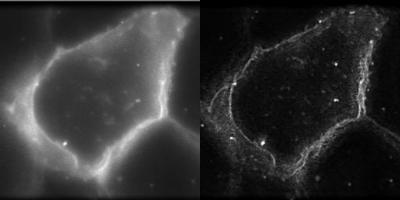
3D Nanoscale Structures in Living Cells
Youri Marko
Supervisors: Hagai Kirshner, Michael Unser
Subject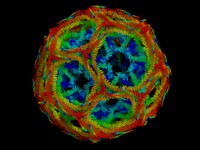
Implementation and comparison of keypoint detectors
Virginie Uhlmann
Supervisors: Daniel Sage, Michael Unser
SubjectConstrained reconstruction of fluorescent diffuse optical tomography (FDOT) data
Francis Géroudet, Master EPFL (MT)
Supervisors: Anonymous, Michael Unser, 1) Mathews Jacob, Universiy of Rochester, USA
Subject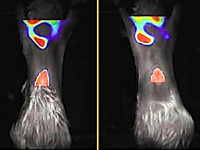
Recalage de dendrites par plus proche voisin itéré
Eda Egüz
Supervisors: Jean-Charles Baritaux, Michael Unser
Subject
Active contours for segmentation of multilayered biological structures
Sambaturu Bhavani
Supervisors: Chandra Sekhar Seelamantula, Michael Unser
Subject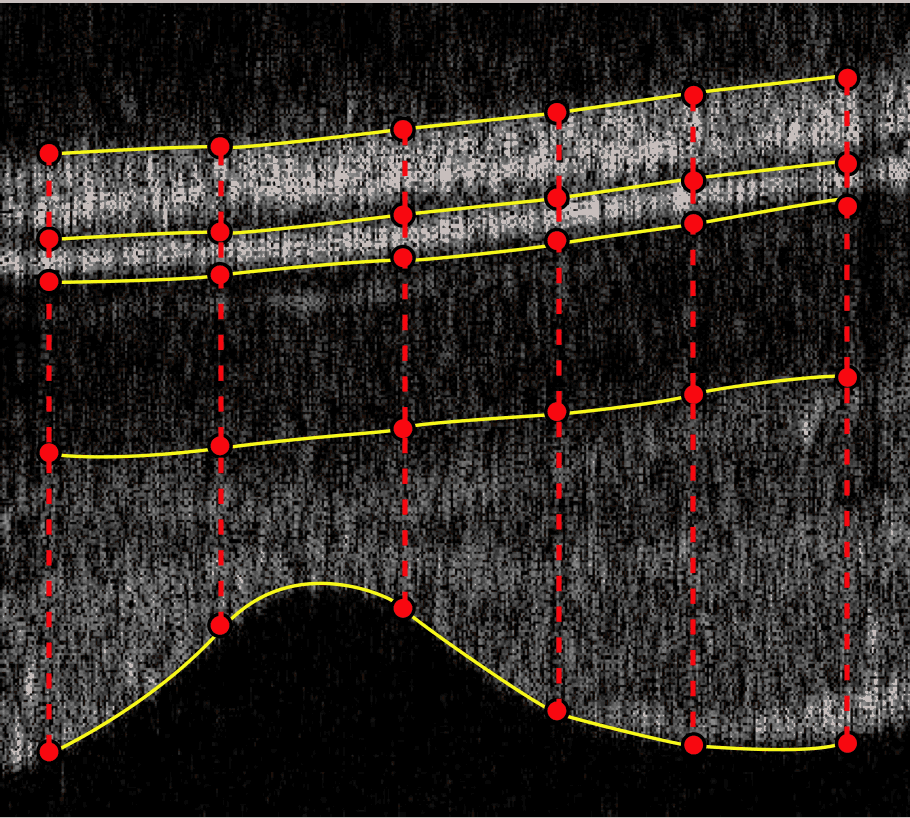
Linear estimation in Magnetic Resonance Imaging (MRI)
Laurent Lejeune
Supervisors: Guerquin-Kern Matthieu, Michael Unser
Subject
Bilateral spline filters for image segmentation
Anil Yuce
Supervisors: Chandra Sekhar Seelamantula, Michael Unser, Daniel Sage
Subject
Image processing to facilitate Optical Character Recognition
Alexandre Tairum
Supervisors: Guerquin-Kern Matthieu, Michael Unser
Subject
Design of a new heart phantom for cardiac MRI simulations
Isik Karahanoglu
Supervisors: Guerquin-Kern Matthieu, Michael Unser, Dimitri Van De Ville
Subject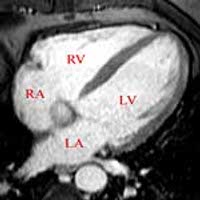
High Dynamic Range Imaging
Nicolas Augier
Supervisors: Guerquin-Kern Matthieu, Michael Unser
Subject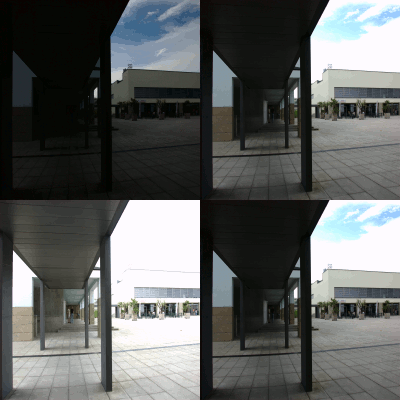
iSkyline (Skyline Detection)
Silvan Widmer
Supervisors: Philippe Thévenaz, Michael Unser
SubjectEstimation of Local Aortic Elastic Properties with MRI
Mustapha Al Kharfane, SV
Supervisors: Ricard Delgado-Gonzalo, Michael Unser
Subject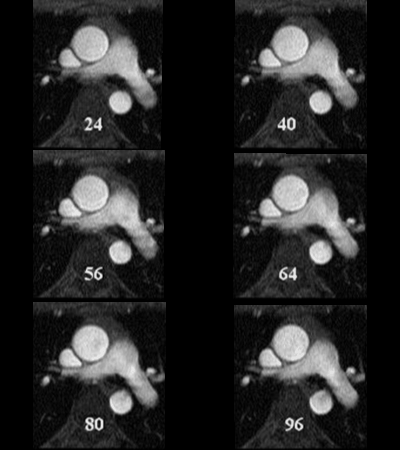
Fast space-variant Image Filtering - Applications to Fluorescence Microscopy Images
Zsuzsanna Püspöki
Supervisors: Daniel Sage, Michael Unser, Daniel Sage
SubjectCompensation of lipids signal in in-vivo MRSI using B-SLIM
María Navarro Leiva, Master Universidad de Málaga, Málaga
Supervisors: Dimitri Van De Ville, Michael Unser, Ildar Khalidov
Subject
Data Analysis for Photonic-Force Microscopy
Amardeep Singh, Master UniBwM, Munich
Supervisors: Philippe Thévenaz, Michael Unser
SubjectImage Processing Algorithms for Resolution Enhancement
Aurélien Bourquard, Master EPFL (MT)
Supervisors: Anonymous, Michael Unser
SubjectLego-ball polyharmonic B-splines, and the best wavelet pool ever !
Reza Shrivany, Master ENSEEIHT, Toulouse
Supervisors: Anonymous, Michael Unser
SubjectFast autocorrelation calculation methods for polyharmonic B-splines
Yann Barbotin
Supervisors: Dimitri Van De Ville, Michael Unser, Thierry Blu
Subject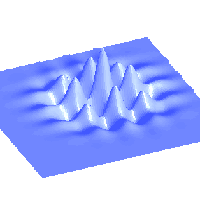
Decision maps for tonotopic organization as revealed by fMRI
Yvette Bohraus
Supervisors: Dimitri Van De Ville, Michael Unser
SubjectEvolutionary snake algorithms for biological applications
Stefan Geissbuehler
Supervisors: Daniel Sage, Michael Unser, Chandra Sekhar Seelamantula
Subject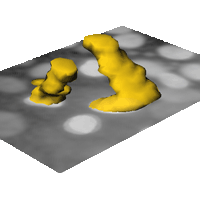
Estimation du déplacement des vagues par analyse d'images vidéos
Claire Verburgh
Supervisors: Daniel Sage, Michael Unser
Subject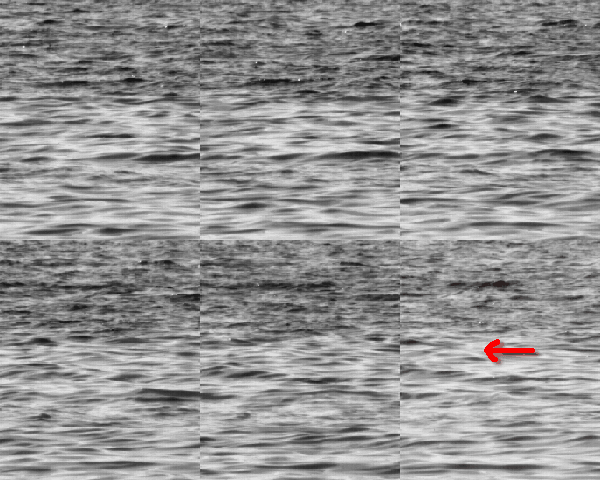
Système de visualisation pour la navigation à travers des très grandes images de microscopie
Francis Géroudet
Supervisors: Daniel Sage, Michael Unser
Subject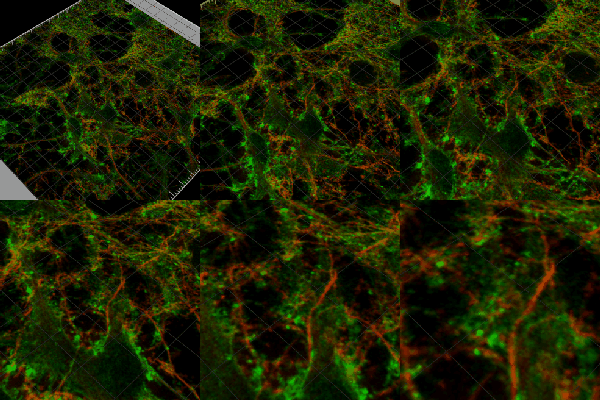
Digital quantitative phase recovery from focal series of brightfield microscopy images
Cecile Bucher
Supervisors: François Aguet, Michael Unser
Subject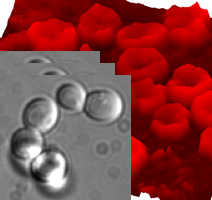
Deconvolution in 3D: an ImageJ plugin
Guillaume Schmit, Master EPFL (MT)
Supervisors: Cédric Vonesch, Michael Unser
Subject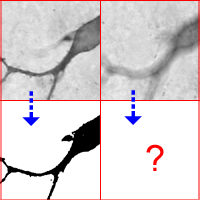
Fitting of 3D-PSF models to fluorescent microbead stacks
Raphaël Frey, Master EPFL (MT)
Supervisors: Cédric Vonesch, Michael Unser
Subject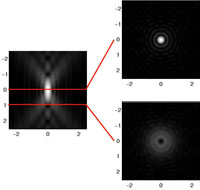
Denoising of MRS Signals Using Wavelet Methods
Nicole Brüschweiler, Master EPFL (MT)
Supervisors: Ildar Khalidov, Michael Unser
SubjectTime-course analysis of perfusion measurements in laser Doppler imaging
Alessandra Griffa, Master Politecnico di Torino, Turin
Supervisors: Dimitri Van De Ville, Michael Unser, Prof. Theo Lasser (LOB)
Subject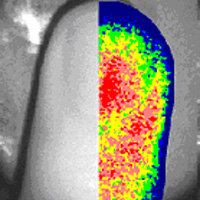
Wavelet-based methods for the solution of inverse problems and de-noising
Matthieu Guerquin-Kern, ENS Cachan, Paris
Supervisors: Cédric Vonesch, Michael Unser
SubjectDemonstration applet for exponential B-splines
Patricia Signé (SSC)
Supervisors: Ildar Khalidov, Michael Unser
Subject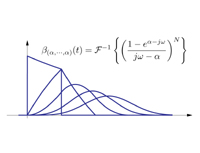
Color image Segmentation in Optical Microscopy
Joël Leuenberger
Supervisors: Daniel Sage, Michael Unser
Subject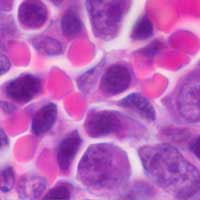
Quantify vessels growing in the chloro-allantoic membrane by image processing techniques
Céline Di Venuto
Supervisors: Daniel Sage, Michael Unser
Subject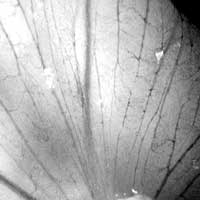
Granulométrie de vésicules lipidiques par snakuscules
Olivier Balagué
Supervisors: Philippe Thévenaz, Michael Unser
Subject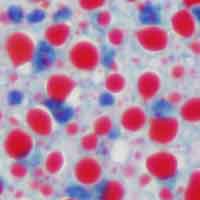
Support vector machines for functional MRI
Daniel Boss
Supervisors: Dimitri Van De Ville, Michael Unser
Subject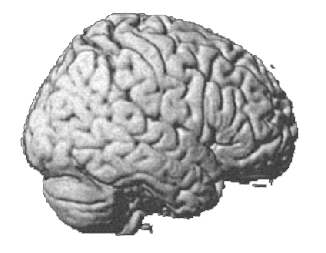
Suppression de structures quasi-périodiques dans le domaine de Fourier
Jean-Paul Fuchs
Supervisors: Pouya Dehghani Tafti, Michael Unser
Subject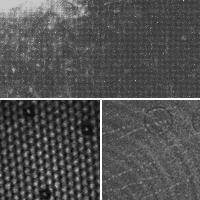
Etude de cellules adipeuses par analyse d'images en histologie
Sébastien Romain
Supervisors: Chandra Sekhar Seelamantula, Michael Unser
Subject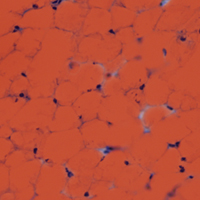
Wavelet-based Denoising of 3D Microscopic Images
Saskia Delpretti
Supervisors: Florian Luisier, Michael Unser
Subject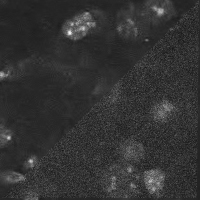
Analyse de traces de particules mobiles dans des images de biologie cellulaire
Xavier Winterhalter
Supervisors: Daniel Sage, Michael Unser
Subject
Structure des noyaux de neurones du cortex somato-sensoriel
Charlie Darricau
Supervisors: Philippe Thévenaz, Michael Unser
Subject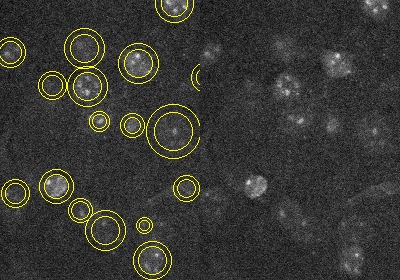
Interpolation avec compensation des non-idéalités d'échantillonnage
Aurélien Bourquard
Supervisors: Katarina Balać, Michael Unser, Philippe Thévenaz
Subject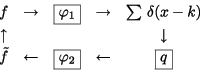
Functional connectivity analysis using wavelet-based statistical resampling
Robert Stachowiak
Supervisors: Dimitri Van De Ville, Michael Unser, Nouchine Hadjikhani
SubjectTracking cells with snake algorithms and Kalman filter
Jonathan Besuchet
Supervisors: Chandra Sekhar Seelamantula, Michael Unser
Subject
Un nuovo approccio di utilizzo della trasformata
Antonio Frutero, Master, Politecnico di Torino, Turin
Supervisors: Dimitri Van De Ville, Michael Unser
Subject
Applications des contours actifs à la trajectométrie d'un museau de souris
Laurent Gillet, Master EPFL (MT)
Supervisors: Philippe Thévenaz, Michael Unser
Subject
Reconstruction 3D des réseaux vascualaires en imagerie médicale
Nicole Brueschweiler
Supervisors: Daniel Sage, Michael Unser
Subject
Réduction morphologique d'images
Nicolas Blanc
Supervisors: Philippe Thévenaz, Michael Unser
Subject
ImageJ plug-in for fast denoising of noisy biological images
Ted Choueri
Supervisors: Sathish Ramani, Michael Unser
Subject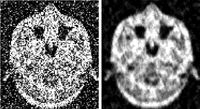
Quantitative measurement of chromatin condensation in 4D
Florent Cosandier
Supervisors: Daniel Sage, Michael Unser
Subject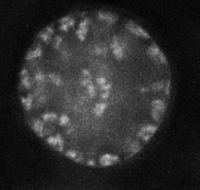
Validation of 3D PSF models
Raphaël Frey
Supervisors: Cédric Vonesch, Michael Unser, Senior supervisor: Dimitri Van de Ville
Subject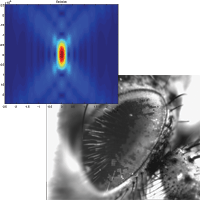
Adaptive Wiener Filtering using Polyharmonic Wavelet Packets
Florian Vaussard
Supervisors: Dimitri Van De Ville, Michael Unser, Sathish Ramani
Subject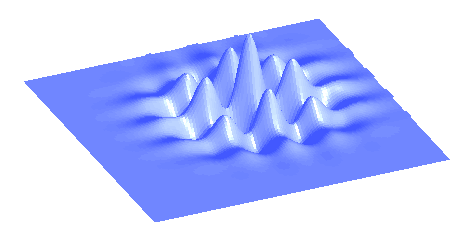
Multi-dimensional Non-Uniform Interpolation and Approximation for Robot Calibration
Olivier Blanc
Supervisors: Anonymous, Michael Unser, ildar.khalidov@epfl.ch, nuno.fazendacarrico@epfl.ch
Subject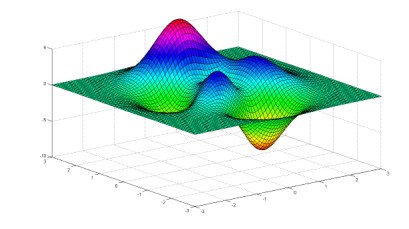
Détourage de noyaux de cellule en imagerie par fluorescence
Lionel Flaction
Supervisors: François Aguet, Michael Unser
Subject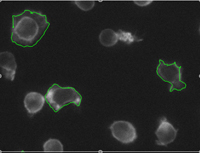
Démonstrateur Web pour la compréhension des images numériques
Thomas Lemmin
Supervisors: Daniel Sage, Michael Unser
Subject
Fractal analysis of 3-D human skin data
Patrick Schoeneich
Supervisors: Dimitri Van De Ville, Michael Unser, Roland Michaely (LOB)
Subject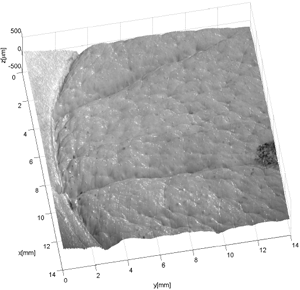
Construction of a dendritic tree for neuroscience
Debasree Banerjee
Supervisors: Cédric Vonesch, Michael Unser
SubjectAnalysis of the myocardial wall thickness using snakes
Leos Urbanek
Supervisors: Philippe Thévenaz, Michael Unser, Michel Kocher
Subject
High-Resolution Techniques for Frequency Domain Optical Coherence Tomography
Himanshu Nazkani
Supervisors: Chandra Sekhar Seelamantula, Michael Unser, Prof. Rainer Leitgeb, Biomedical Optics Laboratory
SubjectThresholding strategies for image denoising with an application to fMRI statistical analysis
Florian Luisier, Master EPFL (MT)
Supervisors: Thierry Blu, Michael Unser
Subject
Connectivité corticale en imagerie de tenseurs de diffusion
David Lambiel, Master, Master EPFL (MT)
Supervisors: Philippe Thévenaz, Michael Unser
Subject
Calibration automatique pour caméra panoramique
Christophe Magnard, Master EPFL (MT)
Supervisors: Muthuvel Arigovindan, Anonymous
Subject
Déconvolution en microscopie dynamique
Pierre Besson, Master EPFL (MT)
Supervisors: Cédric Vonesch, Michael Unser, Francois Aguet
Subject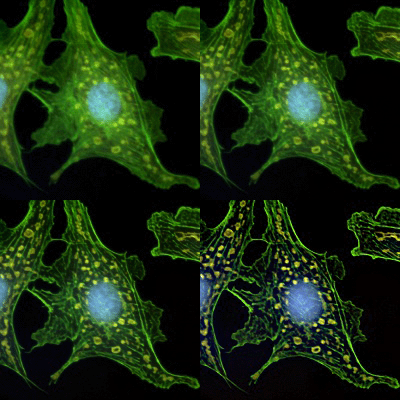
Fast Non-Axisymmetric Drop Shape Analysis
Aurélien Stalder, Master EPFL (MT)
Supervisors: Daniel Sage, Michael Unser, Estelle Wagner, Gerit Kulik and Laura Barbieri (EPFL IOA)
Subject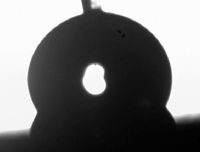
Validation de la méthode de scoring des zygotes par analyse d'images
Antoine Beuchat, Master EPFL (MT)
Supervisors: Muthuvel Arigovindan, Michael Unser
Subject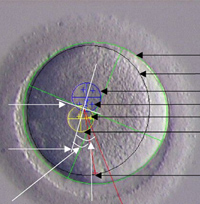
Analysis of fMRI data using polyharmonic B-spline wavelets
Simplice Tchokouani, Master, MT, EPFL
Supervisors: Dimitri Van De Ville, Michael Unser
SubjectWavelet-based extended depth-of-field using hidden markov models
Alex Prudencio, Master, SSC, EPFL
Supervisors: Dimitri Van De Ville, Michael Unser, Cedric Vonesch
Subject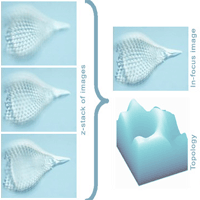
Conception dondelettes à partir des B-splines polyharmoniques dans le cas non-séparable 2D
Matthieu Guerquin-Kern, ENS de Cachan, Paris
Supervisors: Dimitri Van De Ville, Michael Unser
SubjectTexture analysis for tumor histology images
Vincent Cattin
Supervisors: Anonymous, Anonymous
Subject
Détection de contour avec une précision sub-pixel
Nicolas Pavillon
Supervisors: Anonymous, Anonymous
Subject
Reconstruction 3D des réseaux vascualaires en imagerie médicale
Jolyon Roth
Supervisors: Anonymous, Anonymous
Subject
Applet de démonstration pour le filtrage d'images chez Fourier
Joy Anushini Ariarajah
Supervisors: Ildar Khalidov, Anonymous
Subject
ImageJ plug-in for noise reduction in functional imaging data
Alex Prudencio
Supervisors: Shai Tirosh, Anonymous, Dimitri Van De Ville
Subject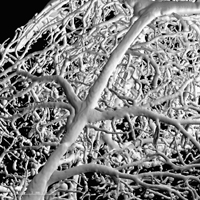
Mesure de position en microscopie dynamique par fluorescence
Milan Stupar
Supervisors: François Aguet, Anonymous
SubjectSuivi de vibrisses de souris pour l'étude du comportement sensoriel chez l'animal
Loic Segapelli
Supervisors: Daniel Sage, Michael Unser
Subject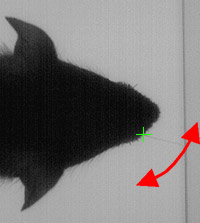
Calibrage cinématique dun robot à 6 degrés de liberté par des B-splines cubiques
Niklaus Hugi
Supervisors: Ildar Khalidov, Michael Unser, Nuno Fazenda ME B3 484, Tel: 33824
Subject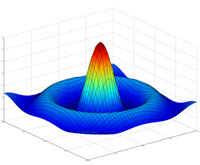
Analyse structurale 3D de roches fracturées : application géologique de la XRCT
Jean Keomany
Supervisors: François Aguet, Michael Unser
Subject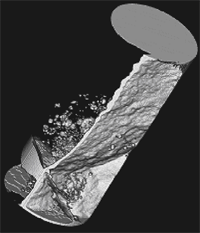
Neuron tracing in 3D
Joël Arnold
Supervisors: Cédric Vonesch, Michael Unser
SubjectIdentification de glomérules par analyse d'image du système olfactif
Anna Larsson
Supervisors: Daniel Sage, Michael Unser
Subject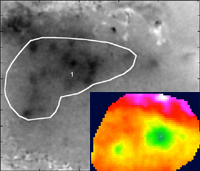
Autostéréogrammes par B-splines
Basile Graf
Supervisors: Philippe Thévenaz, Michael Unser
Subject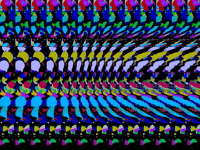
Retouche d'images: suppression des lignes électriques dans les photos
Julien Reuse
Supervisors: Sathish Ramani, Michael Unser
Subject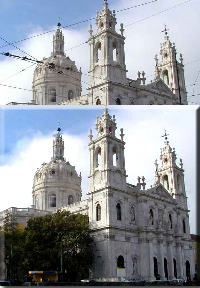
Polyharmonic wavelets for a dyadic subsampling scheme
Azzabi Zouraq Salim
Supervisors: Dimitri Van De Ville, Michael Unser
Subject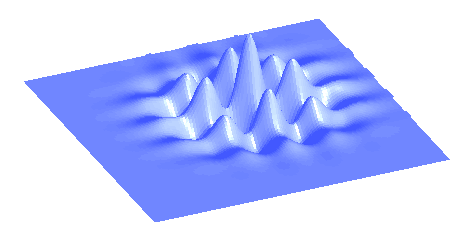
Trajectométrie de souris pour des études de comportement en neuroscience
Sadasing Kowlessur
Supervisors: Daniel Sage, Michael Unser
Subject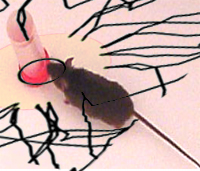
ImageJ plug-in for polyharmonic wavelet transform
Cristina Manfredotti, Master, Università di Milano, Milan
Supervisors: Dimitri Van De Ville, Michael Unser
SubjectCorrection les effets de la PSF en imagerie spectroscopique
Mathieu Vonlanthen, Master, MT, EPFL
Supervisors: Dimitri Van De Ville, Michael Unser
SubjectGeneralized Daubechies wavelets
Cédric Vonesch, Master, SSC, EPFL
Supervisors: Thierry Blu, Michael Unser
SubjectNouvelle génération d'ondelettes orientables - Application à la réduction de bruit en IRM fonctionnelle
Jesse Berent, Master, MT, EPFL
Supervisors: Brigitte Forster, Michael Unser, Thierry Blu, BM 4.134, Tel: 35172
Subject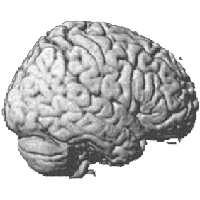
Analyse d'image pour l'étude de la dynamique de cellules souches
Fabien Saint-Roch, Master, IN, EPFL
Supervisors: Daniel Sage, Michael Unser
Subject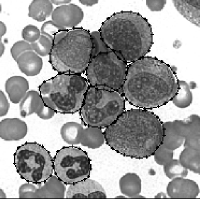
A versatile tool for 3D wavelet processing
Avo Rasolondraibe, Master, IN, EPFL
Supervisors: Dimitri Van De Ville, Michael Unser
Subject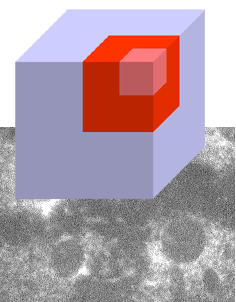
Redundant wavelet processing of fMRI data
Jean-Marc Luneau, Master, Université de Nice, Nice
Supervisors: Dimitri Van De Ville, Michael Unser
Subject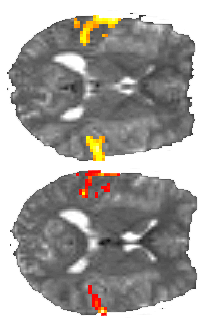
Three-dimensional surface recovery from microscopy images using object model-based deconvolution
Francois Aguet, Master, IN, EPFL
Supervisors: Dimitri Van De Ville, Michael Unser
Subject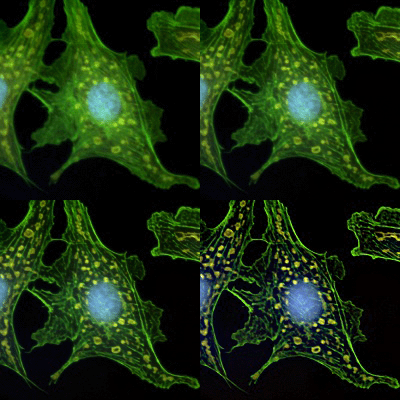
Microscope virtuel à but didactique pour Internet
Chistophe Magnard
Supervisors: Rajesh Langoju, Michael Unser
Subject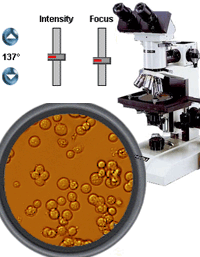
Traitement d'images en microscopie électronique pour la nano-fabrication
Christian Ban
Supervisors: Shai Tirosh, Michael Unser, Tristan Bret, APL, EPFL, BM 4.108, Tel 35716
Subject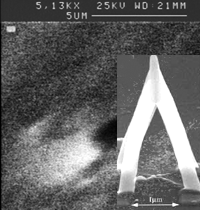
Analyse d'une séquence d'images pour la caractérisation de traitement de surface
Aurélien Stalder
Supervisors: Daniel Sage, Michael Unser, Laura Barbieri
Subject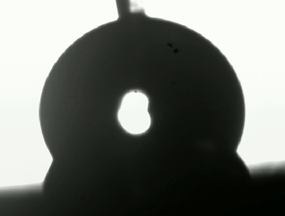
Assemblage et homogénéisation d'images pour les neurosciences
Raphaël Tornay
Supervisors: Daniel Sage, Michael Unser
Subject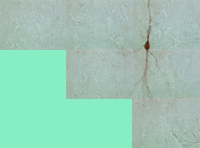
Analyse de texture basée sur de filtres orientables
Pierre Besson
Supervisors: Philippe Thévenaz, Michael Unser
Subject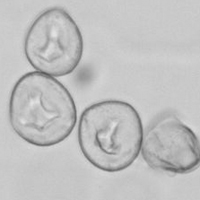
Construction of topological maps from a series of multi-focal images
Niels Quack
Supervisors: Brigitte Forster, Michael Unser
Subject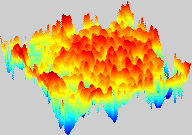
Localisation de chromosomes à travers une série d'images de microscopie en fluorescence
Annick Marin
Supervisors: Daniel Sage, Michael Unser
Subject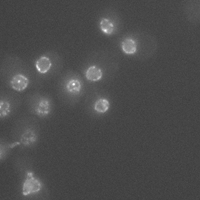
Imagerie 3D par transformée en ondelettes continue
Thierry Bernhard
Supervisors: Michael Liebling, Michael Unser, Luc Froehly, LOB, EPFL, BM 5.140, Tel: 37773
Subject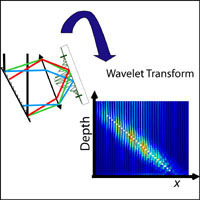
Création de mosaïque d'images en imagerie biomédicale
David Lambiel
Supervisors: Philippe Thévenaz, Michael Unser
Subject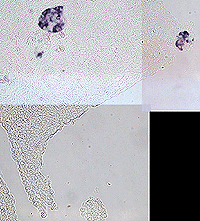
Interpolation d'images haute qualité basée sur des splines explonentielles
Pierre-Yves Schuetz
Supervisors: Ildar Khalidov, Daniel Sage
Subject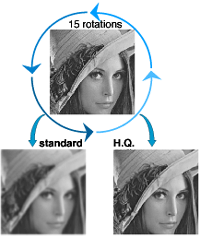
Analyse de texture basée sur ondelettes
Mathieu Vonlanthen
Supervisors: Dimitri Van De Ville, Michael Unser
Subject
Traitement d'images pour la caractérisation d'ovocytes
Antoine Beuchat
Supervisors: Carlos Óscar Sánchez Sorzano, Michael Unser
Subject
Relevé de l'arbre dendritique dans des images confocales 3D
Florian Marty
Supervisors: Michael Sühling, Daniel Sage
Subject
Complex splines and wavelets
Florian Luisier
Supervisors: Thierry Blu, Michael Unser, Thierry Blu
Subject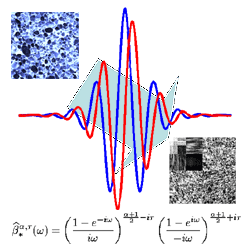
Modélisation des taches d'un gel électrophorétique par mixture et/ou par dictionnaire de fonctions de base
Christophe Gusthiot
Supervisors: Philippe Thévenaz, Michael Unser
Subject
Détection de molécules d'ADN avec des filtres orientables
Alwyn Fernandes
Supervisors: Mathews Jacob, Michael Unser
SubjectDétection de lésions hépatiques
Reza Etemad-Sajadi
Supervisors: Nadia Subotić, Michael Unser
SubjectDétection d'objets dans des images par une procédure d'optimisation Application en biologie moléculaire
Dave Bergomi
Supervisors: Slavica Jonić, Michael Unser
SubjectReconnaissance automatique de la texture pulmonaire
Vahid Fahfouri
Supervisors: Daniel Sage, Michael Unser
SubjectSynthèse d'images et détermination de la topologie par fusion de série focale
Jesse Berent
Supervisors: Brigitte Forster, Michael Unser, Daniel Sage
SubjectLissage directionnel rapide pour le traitement d'images biologiques
Philippe Portmann
Supervisors: Philippe Thévenaz, Anonymous
SubjectCorrection des déformations optiques pour une caméra panoramique
Beda Steinacher
Supervisors: Muthuvel Arigovindan, Michael Unser
Subject
Champ de déformation d'un coeur qui bat
Wolf Blecher
Supervisors: Philippe Thévenaz, Michael Unser
SubjectPoursuite de neurones dans une séquence d'images
Vincent Ducry
Supervisors: Daniel Sage, Michael Unser
SubjectDétecteur de structure orientable et paramétrisable: application à l'analyse d'images biomédicales
François Aguet
Supervisors: Mathews Jacob, Anonymous
SubjectGeodesic Active Contours and Splines
Shai Tirosh, Doctorate school, SSC, EPFL
Supervisors: Mathews Jacob, Michael Unser
Subject
Tracking fluorescence within cells
Nadja Subotic, Doctoral school, SSC, EPFL
Supervisors: Dimitri Van De Ville, Michael Unser
SubjectOptical Coherence Tomography (OCT): A superresolution method
Herbert Bay, Master, MT, EPFL
Supervisors: Thierry Blu, Michael Unser
SubjectNavigation system for Abdominal Aortic Aneurysm
Michaël Rochat, Master, MT, EPFL
Supervisors: Anonymous, Michael Unser
SubjectNumerical Reconstruction of semi-transparent objects in Optical Diffraction Tomography
Asma Jebali, Master, MT, EPFL
Supervisors: Michael Liebling, Michael Unser
SubjectImage matching in Java
Fabien Julliard, Master, MT, EPFL
Supervisors: Philippe Thévenaz, Michael Unser
SubjectTracé d'arbre dendritique
Sylvain Anderegg
Supervisors: Erik Meijering, Michael Unser
SubjectAnalyse en composantes principales : application à la caractérisation dovocyte pour la fécondation in-vitro
Antoine Beyeler
Supervisors: Muthuvel Arigovindan, Michael Unser
SubjectCorrection des images et réduction du bruit dautofluorescence en microscopie par fluorescence
Pascal Geiser
Supervisors: Mathews Jacob, Michael Unser
SubjectDéballage de phase pour la reconstruction des hologrammes digitaux
Pande Mitrev
Supervisors: Michael Liebling, Michael Unser
SubjectDétection de molécules dADN dans des images de cryo-microscopie électronique
Jacques Neuenschwander
Supervisors: Michael Sühling, Michael Unser
SubjectAnalyse dimage pour la détection de syncytia en thérapie anti-VIH
Ambroise Krebs
Supervisors: Daniel Sage, Michael Unser
SubjectDétection de chocolats par Watershed
Daniel Stadelmann
Supervisors: Daniel Sage, Michael Unser
SubjectCaractérisation de microstructures osseuses par analyse dimages
Pierre Roduit
Supervisors: Slavica Jonić, Michael Unser
SubjectImagerie paramétrique du cur
Rui Protasio
Supervisors: Philippe Thévenaz, Michael Unser
SubjectDétection de microcalcifications en mammographie
Céline Costamagna
Supervisors: Manuela Feilner, Michael Unser
Subject3D reconsruction from multiple views
Alexandre Goy
Supervisors: Thierry Blu, Michael Unser
SubjectDetection of vascular diameters by ultrasonic imaging
Roland Michaely
Supervisors: Daniel Sage, Michael Unser
SubjectSegmentation and visualization of blood vessels obtained by 3D rotational angiograph
Laurent Vieira de Mello
Supervisors: Erik Meijering, Michael Unser
SubjectNew algorithm of wavelet transform
Gil Gaillard, Master, MT, EPFL
Supervisors: Manuela Feilner, Michael Unser
SubjectMosaicing en microscopie optique
Olivier Balsiger
Supervisors: Thierry Blu, Michael Unser
SubjectTransformées d'images en Java sur le web
Louis-Séverin Bieri
Supervisors: Slavica Jonić, Michael Unser
SubjectMovie creation from a mosaic of images
Emilio Casanova
Supervisors: Thierry Blu, Michael Unser
SubjectImage Processing applied on micro-arrays for molecular biology
Sacha Haymoz
Supervisors: Daniel Sage, Michael Unser
SubjectQuincunx Wavelet Transform with Fractional Filters
Asma Jebali
Supervisors: Manuela Feilner, Michael Unser
SubjectZoom in Java
David Leroux
Supervisors: Arrate Muñoz Barrutia, Michael Unser
SubjectMesure de similitude: Implémentation à l'aide d'invariants
Antoine Luisier
Supervisors: Thierry Blu, Michael Unser, Antoine Luisier
SubjectCorrection des distorsions géométriques d'une WebCam
Philippe Margairaz
Supervisors: kybic, Michael Unser
SubjectComparaison de méthodes d'interpolation - Applet de démonstration en Java
Raphaël Marthe
Supervisors: Slavica Jonić, Michael Unser
SubjectImage Processing on Microarrays
Delphine Perrottet
Supervisors: Daniel Sage, Michael Unser
SubjectAdaptative Spline Smoothing
Thomas Peter
Supervisors: Arrate Muñoz Barrutia, Michael Unser
SubjectNoise Reduction in Holographic Microscopy Images
Micael Rochat
Supervisors: Michael Liebling, Michael Unser
SubjectRotation chez Fourier
Patrick Servet
Supervisors: Philippe Thévenaz, Michael Unser
SubjectFunctional morphological evolution of neurones in culture
Anil Swaroop
Supervisors: Mathews Jacob, Michael Unser
SubjectTransformées en ondelettes par décomposition en B-splines
Raphaël Ertle, Doctorate school, SSC, EPFL
Supervisors: Arrate Muñoz Barrutia, Michael Unser
SubjectComputerized tomography
Michael Liebling, Master, PHY, EPFL
Supervisors: horbelt, Michael Unser
SubjectProbability density estimation using spline
Tatsuhei Iwasaki, École Polytechnique, Paris
Supervisors: Thierry Blu, Michael Unser
SubjectSegmentation of biomedical images and volumes
Gil Gaillard
Supervisors: kybic, Michael Unser
SubjectAnalyse et synthèse de texture
Svend Hoyer
Supervisors: Manuela Feilner, Michael Unser
SubjectEtude du langage par IRMF
Jean-Michel Pignat
Supervisors: Manuela Feilner, Michael Unser
SubjectJava-bases computer tomography reconstruction by filtered backprojection using B-Spline
Martin Demierre
Supervisors: horbelt, Michael Unser
SubjectConception d'un snake en utilisant une connaissance a priori
Issam El Bakkouri, École Polytechnique, Paris, France
Supervisors: Thierry Blu, Michael Unser
SubjectCharacterisation of approximation properties of finite elements
Sylvia Garcia
Supervisors: Thierry Blu, Michael Unser
SubjectRéduction de bruit dans des images biomédicales par des algorithmes pyramidaux et par des ondelettes
Cédric Glauser
Supervisors: Manuela Feilner, Michael Unser
SubjectCompensation of the retina motion
Mourad Kharouf
Supervisors: Philippe Thévenaz, Anonymous
SubjectDetection of contours in biomedical images using
Bernhard Petersch
Supervisors: Daniel Sage, Michael Unser
SubjectDetection of contours in biomedical images using dynamic programming
Bernhard Petersch
Supervisors: Daniel Sage, Michael Unser
SubjectCharacterisation of motion in a sequence of echocardiographic images
Yves Ramseier
Supervisors: kybic, Michael Unser
SubjectImplementation of fractional splines filters for wavelet transforms
Olivier Saudan
Supervisors: Thierry Blu, Michael Unser
SubjectChangement d'échelle fractionnaire
Mohamed Ali Mechhidan, École Polytechnique, Paris
Supervisors: Thierry Blu, Michael Unser
Subject